Personal audio
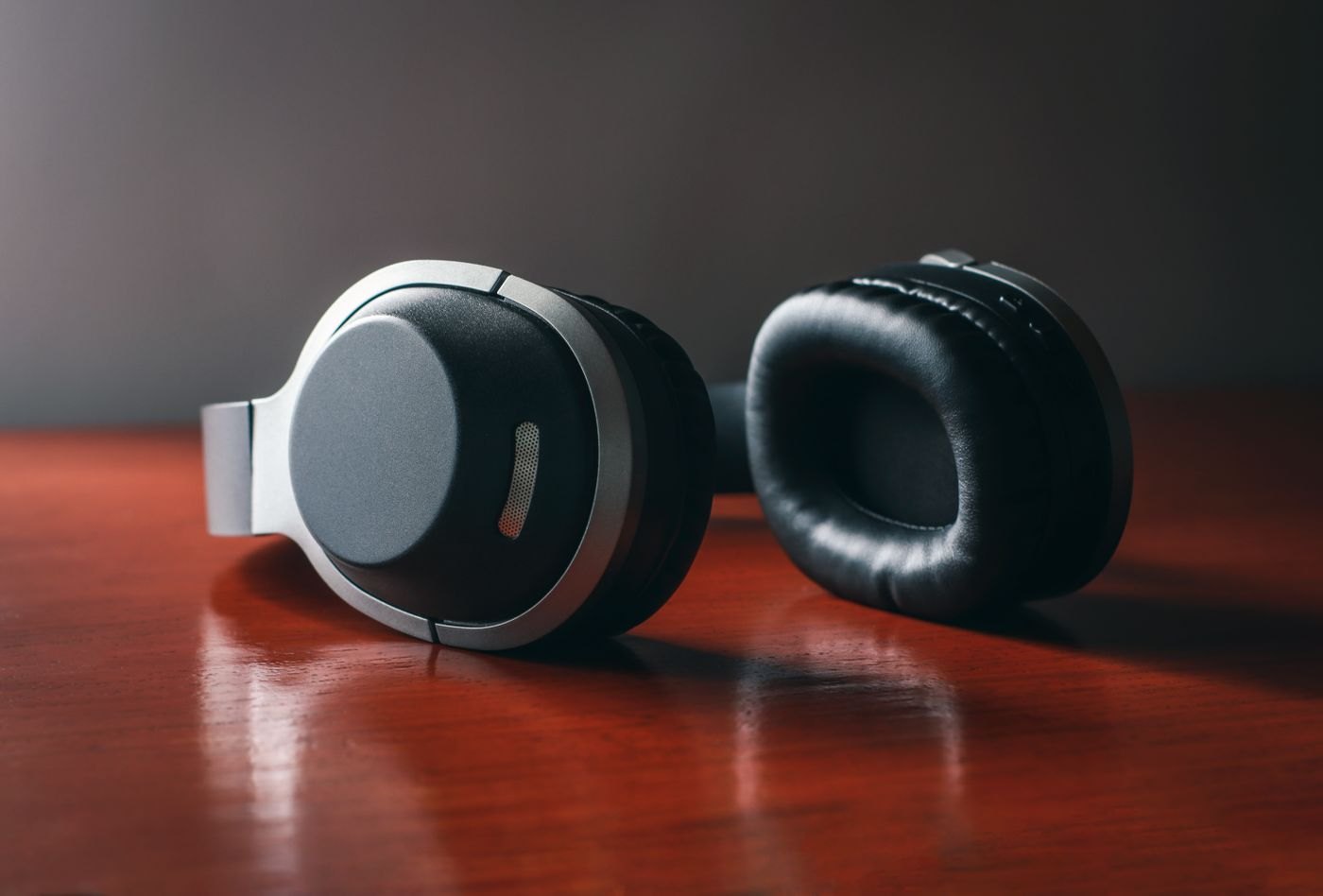
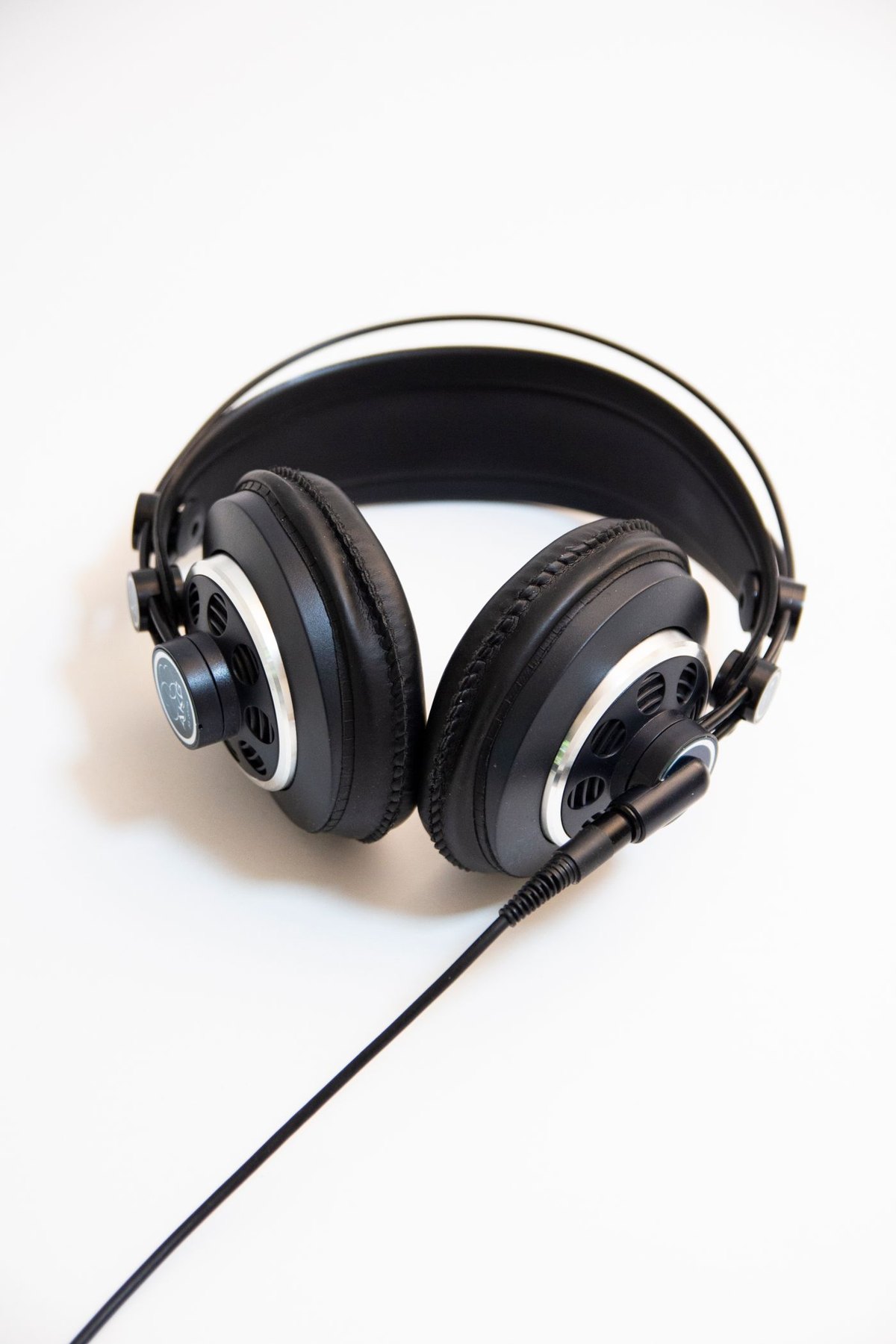
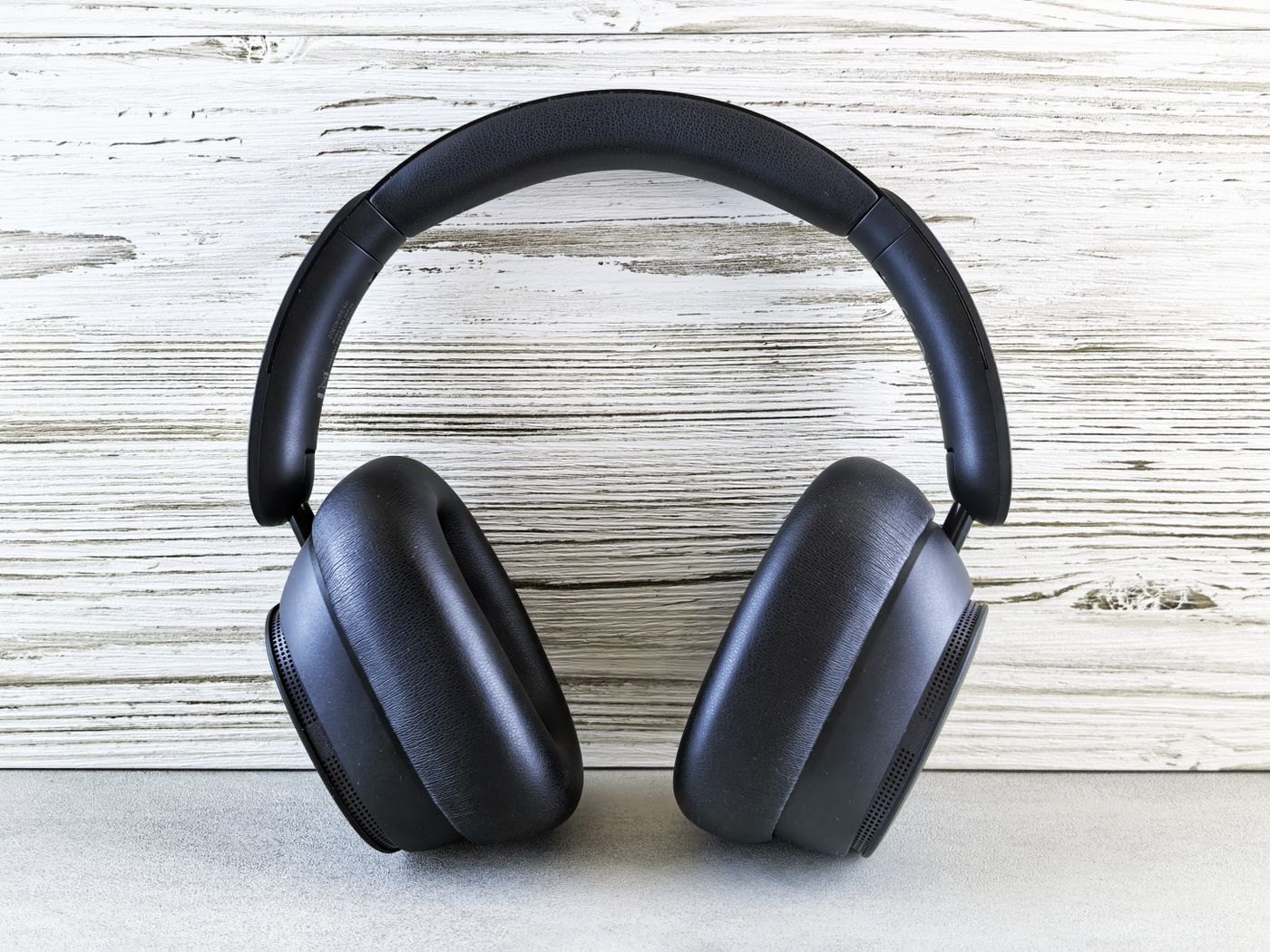
Choose headphones for long listening sessions
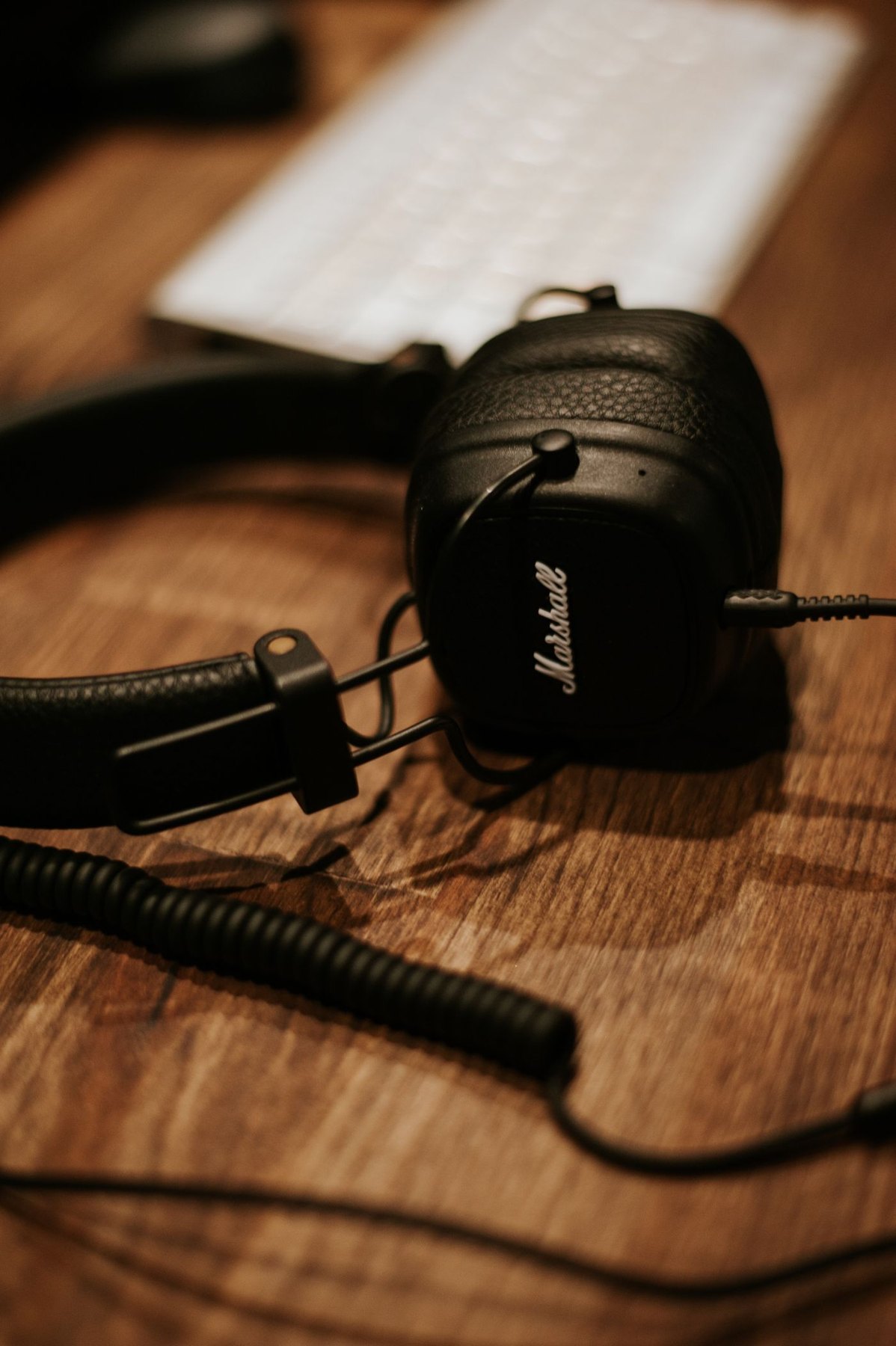
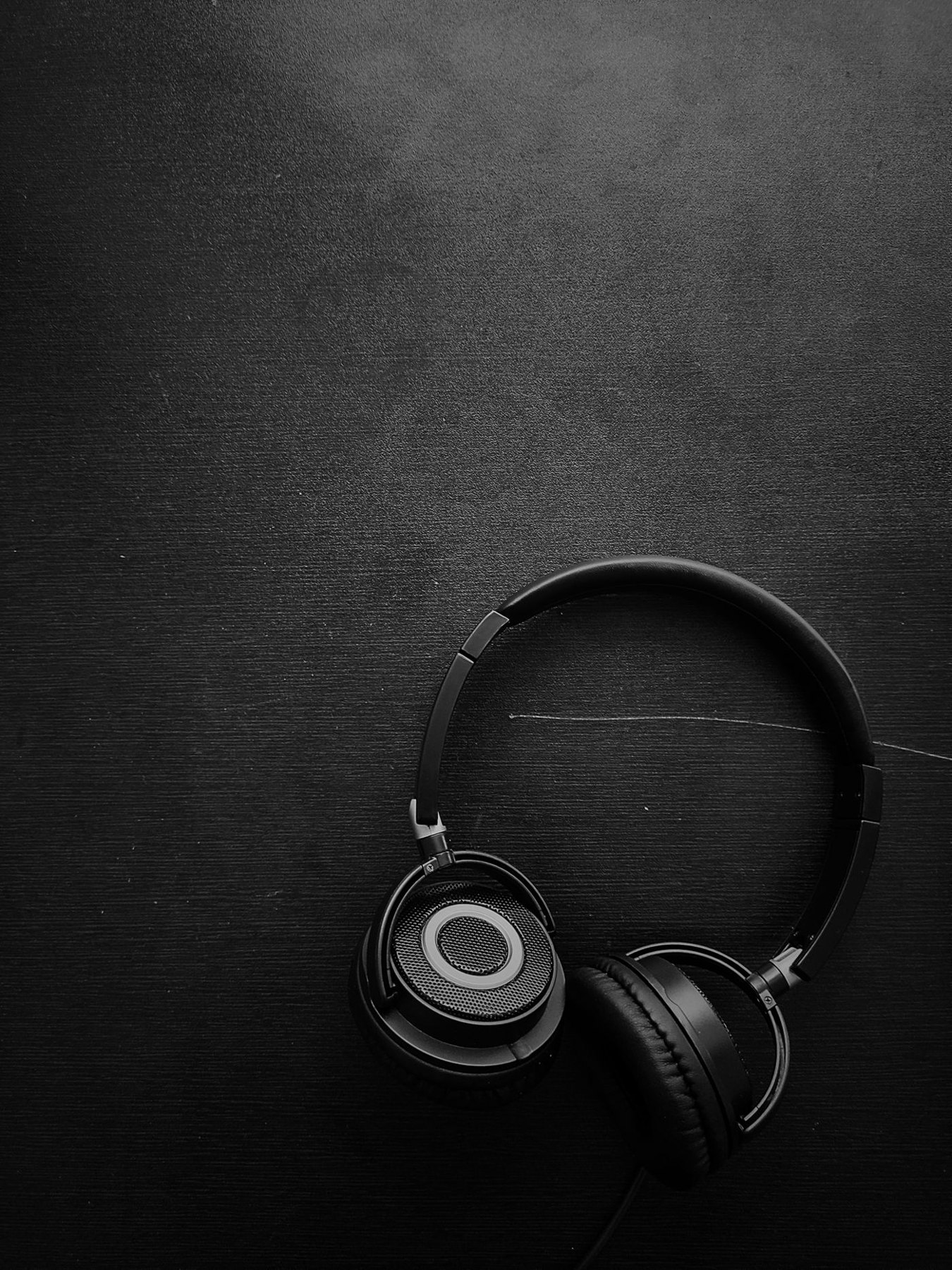
Assess the headband, ear cups, controls and everyday interruptions instead of choosing by battery life alone.
Headphones, microphones and speakers: fit, connections and recording arrangements.
30 articles
Assess the headband, ear cups, controls and everyday interruptions instead of choosing by battery life alone.
Compare the whole journey, from packing and platform announcements to fit with glasses and a winter coat.
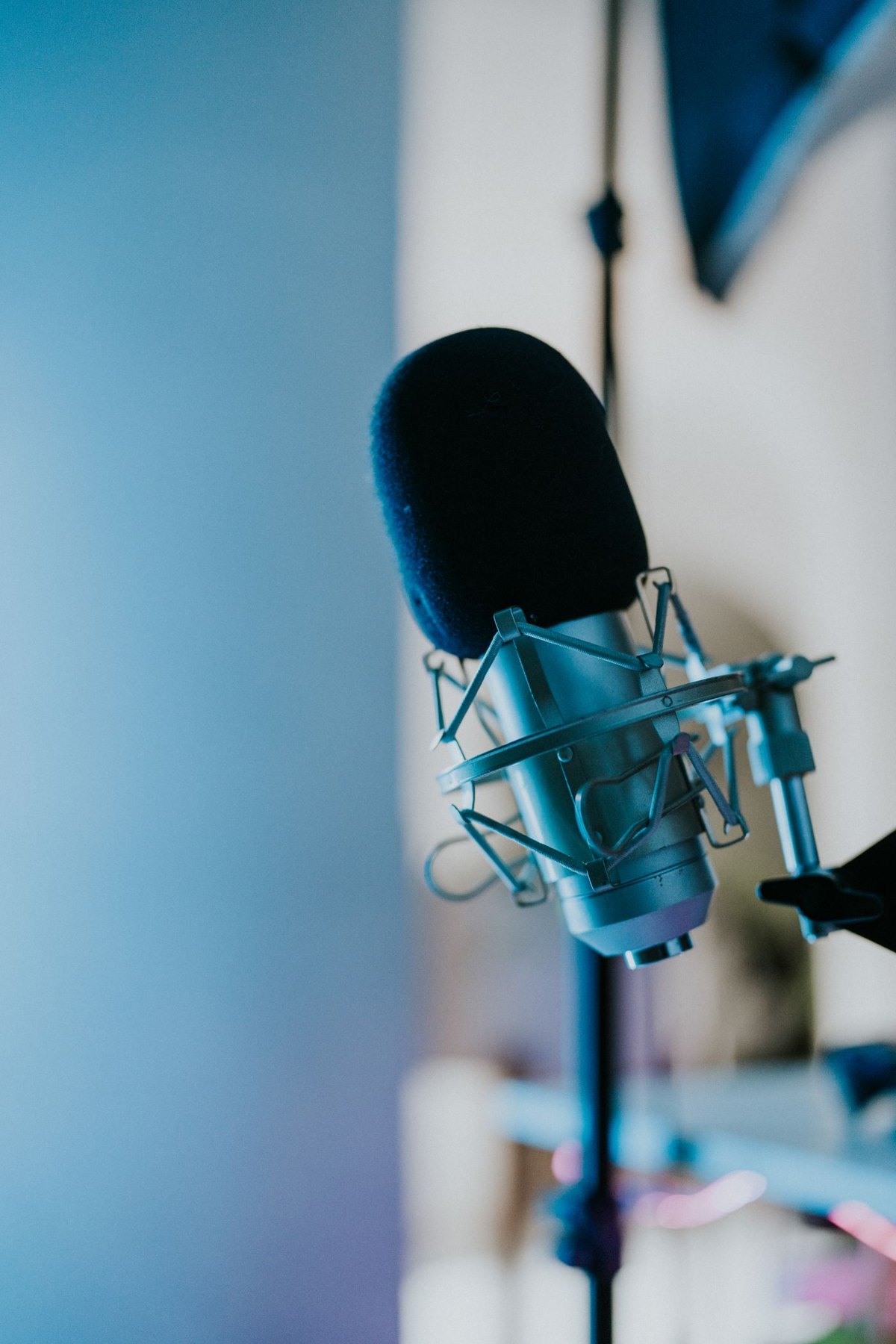
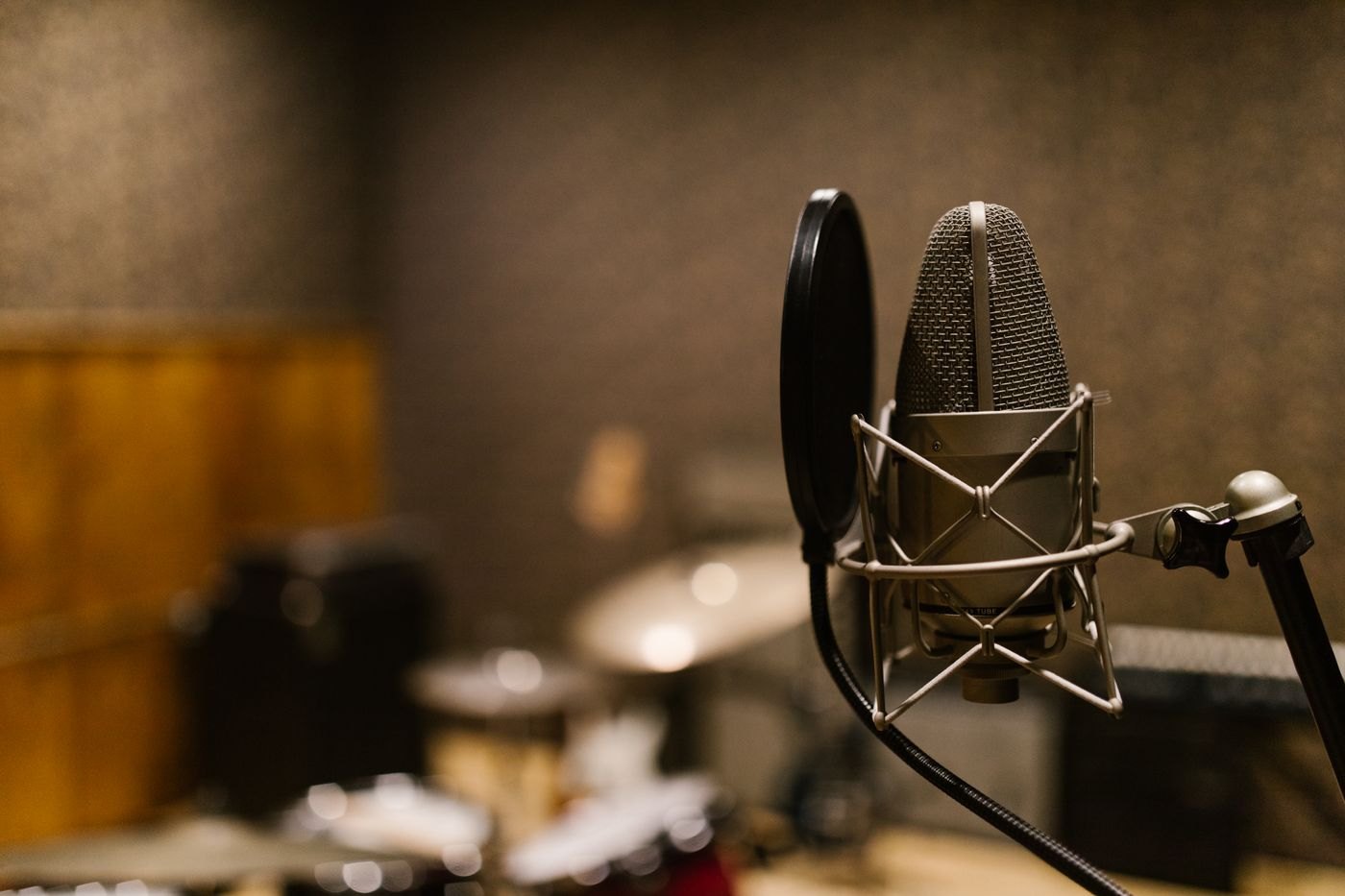
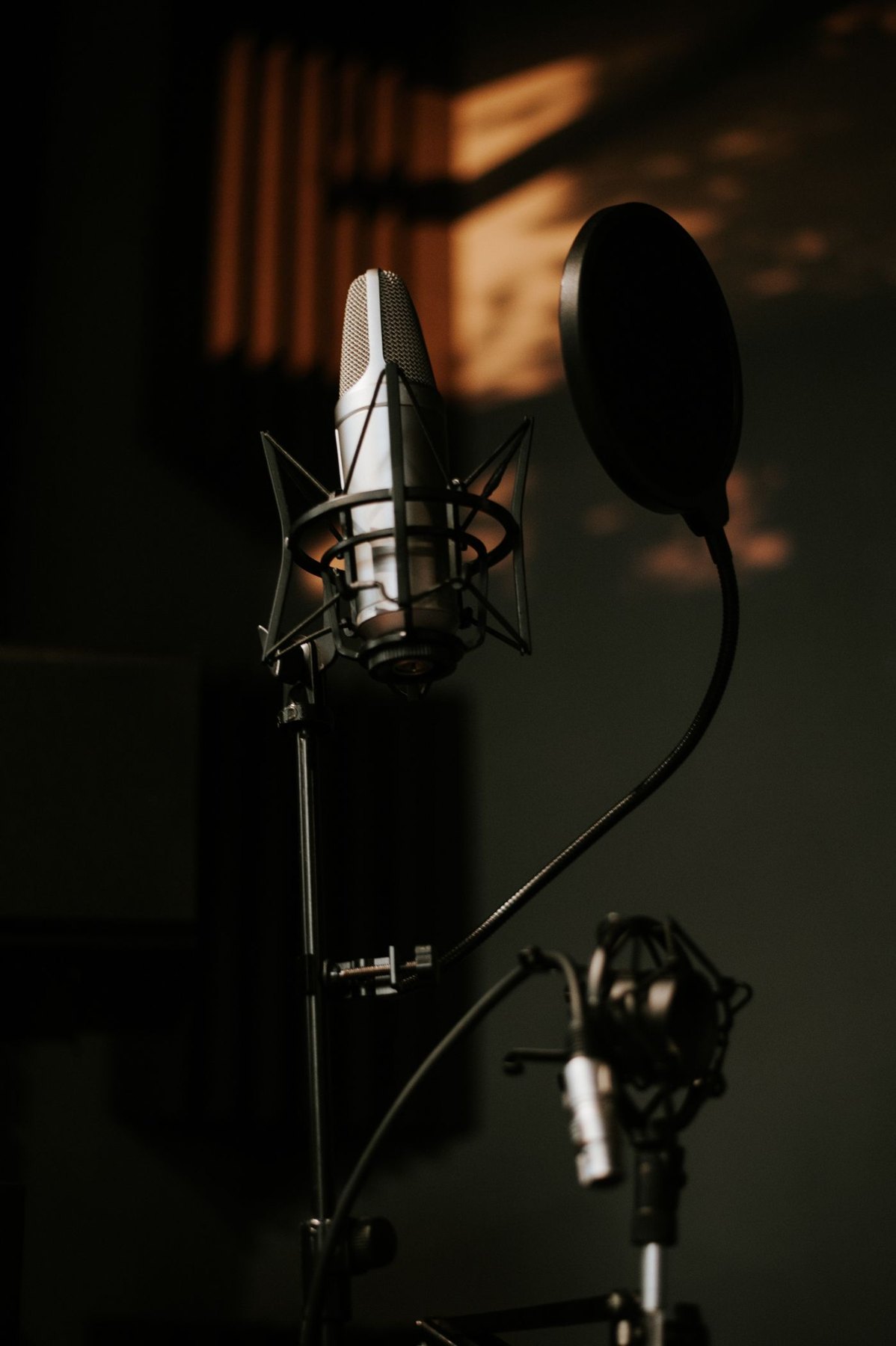
Check connection, placement, controls and monitoring before choosing a microphone for both meetings and saved audio.
Give both speakers a clear route to the listening position before fitting them into the remaining gaps.
Separate the fit, listening modes and noise-cancellation limits from claims about eliminating the outside world.
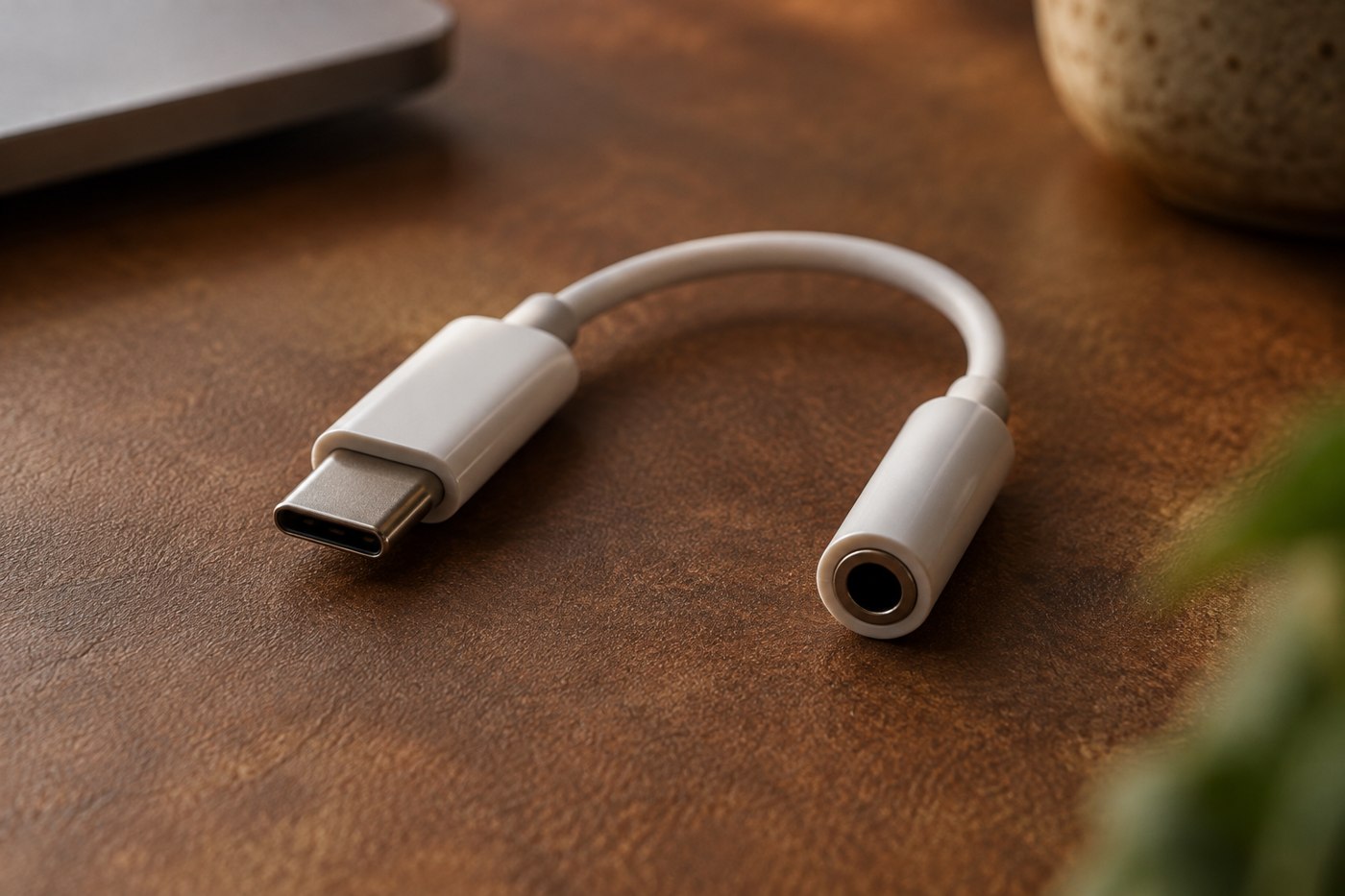
Identify the phone connector, adapter's audio functions and headset requirements before buying a small dongle.
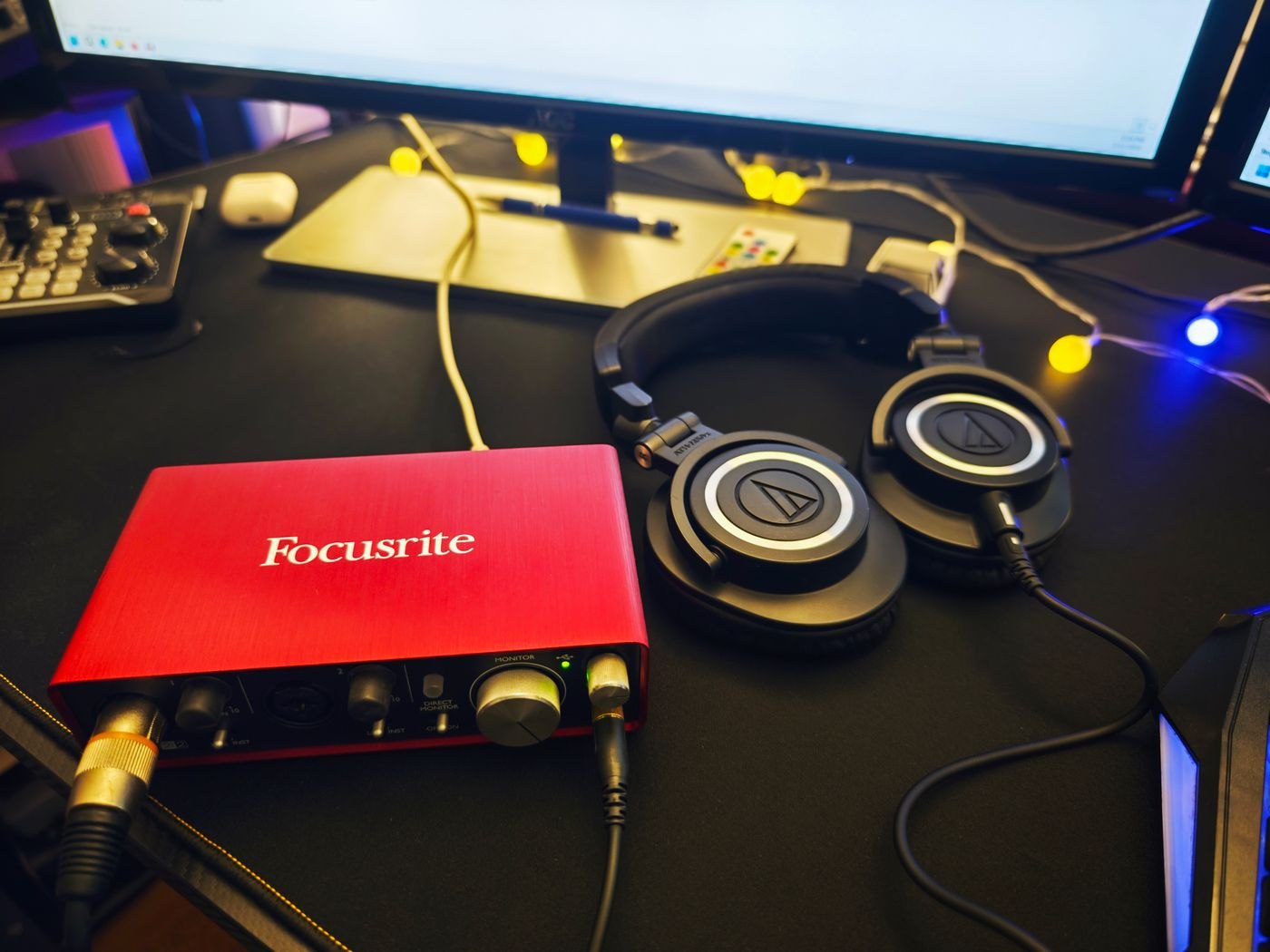
Distinguish hearing your input directly from hearing the recording program's processed return signal.
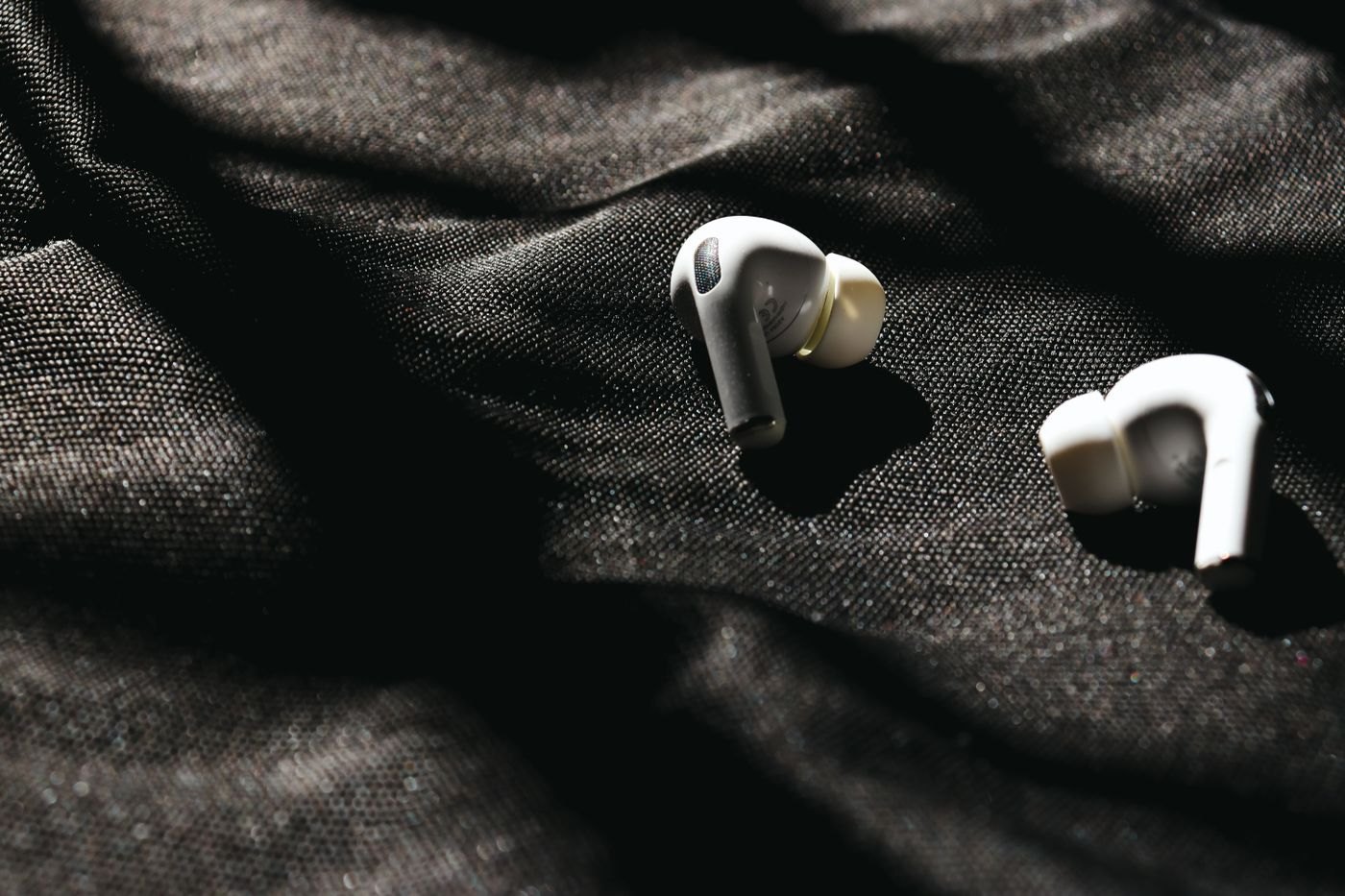
Start with the earbud model and attachment, then assess each ear using the maker's fitting guidance.
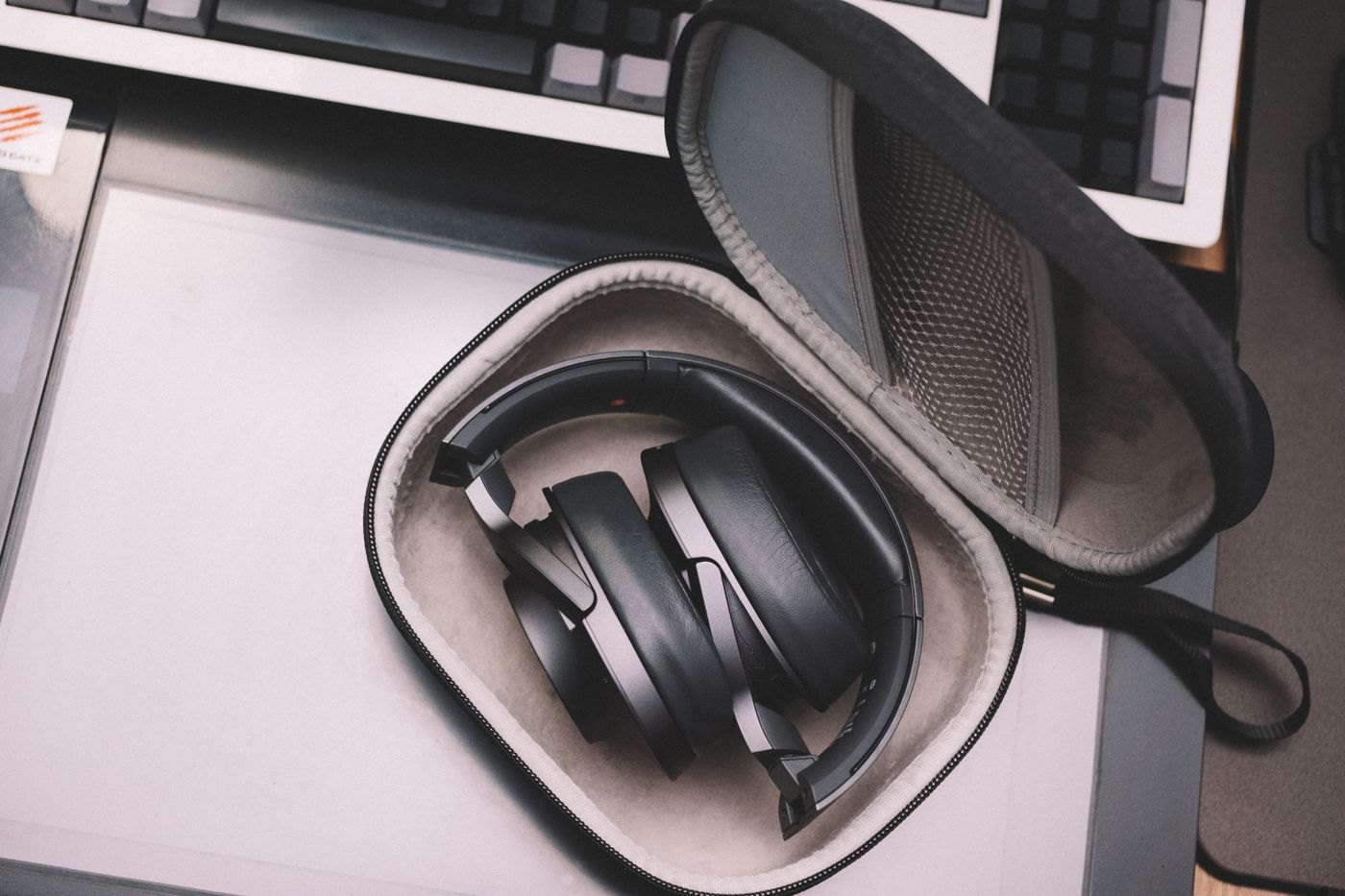
Use the intended folding motion and a supported storage position instead of compressing headphones into the last gap in a bag.
Start with the television's documented audio outputs and decide whether other people must still hear its speakers.
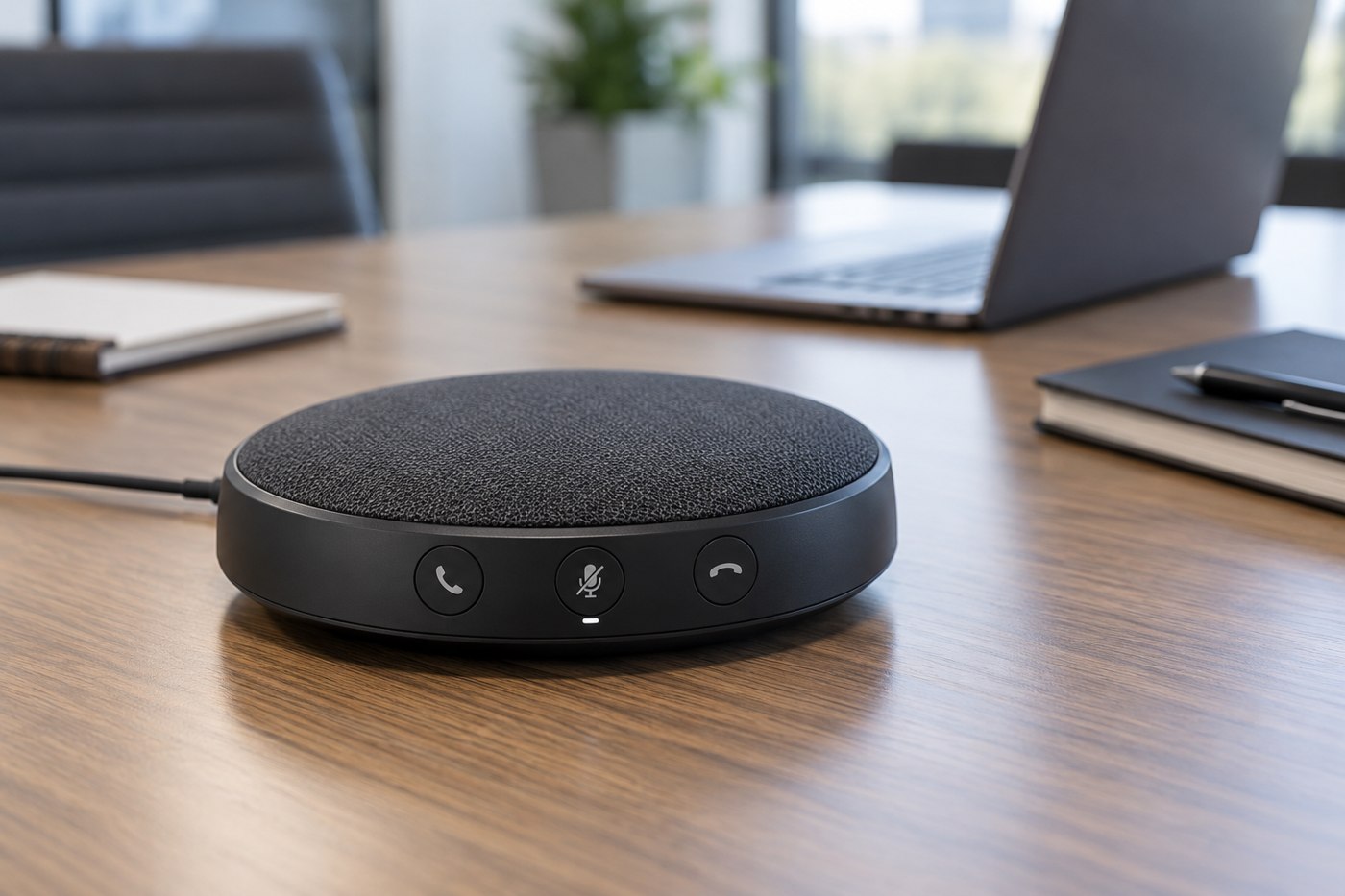
Choose a speakerphone around the table, participants and conferencing application rather than the device's compact appearance.
Trace the microphone signal through hardware, system permissions and the application before replacing equipment.
Compare connection reliability, microphone use, charging and movement as part of the same laptop routine.
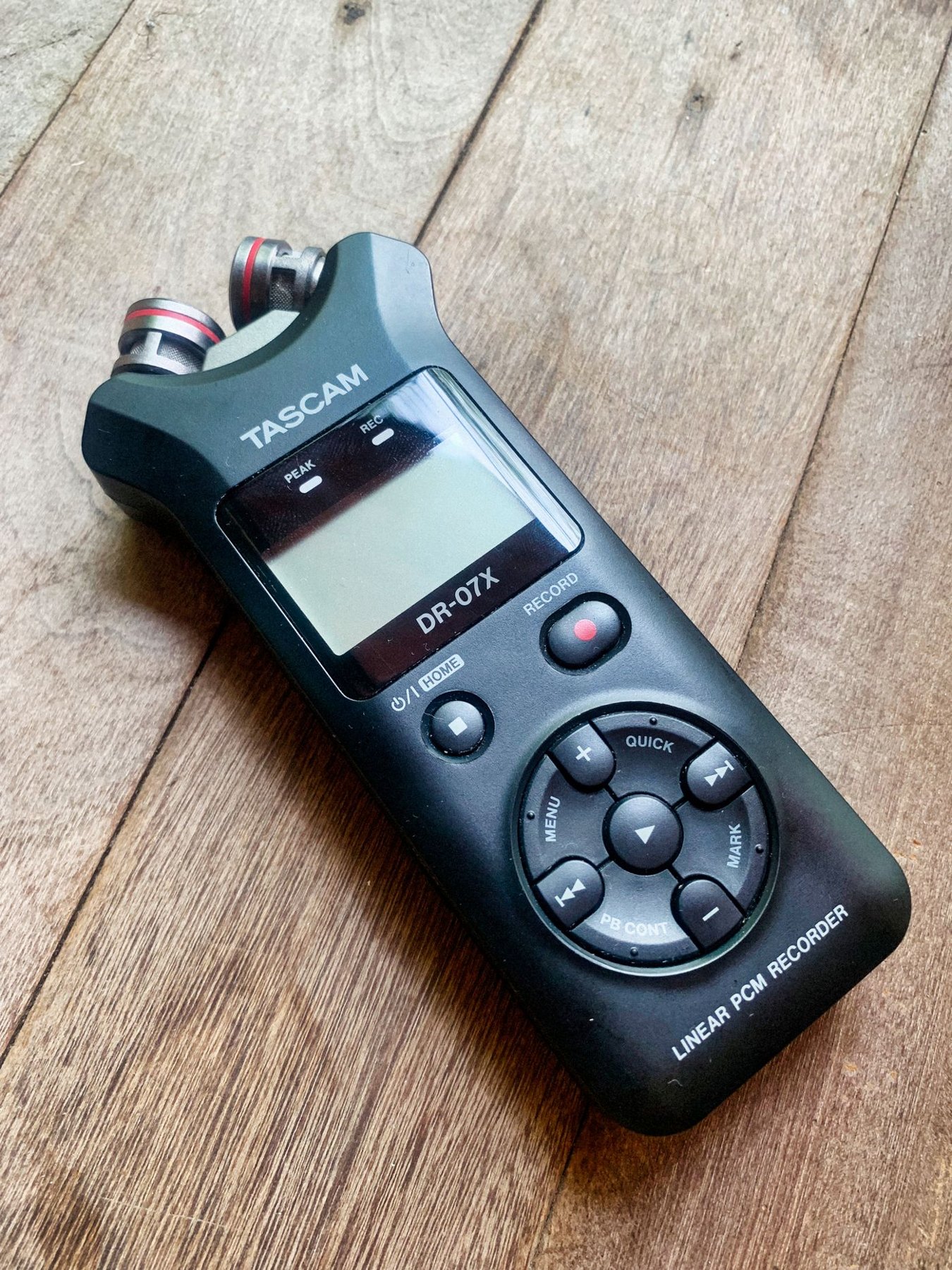
Prioritize microphone placement, monitoring, file handling and a repeatable recording procedure for interviews.
Match the headphone-side fitting, source plug and supported functions rather than buying by connector diameter alone.
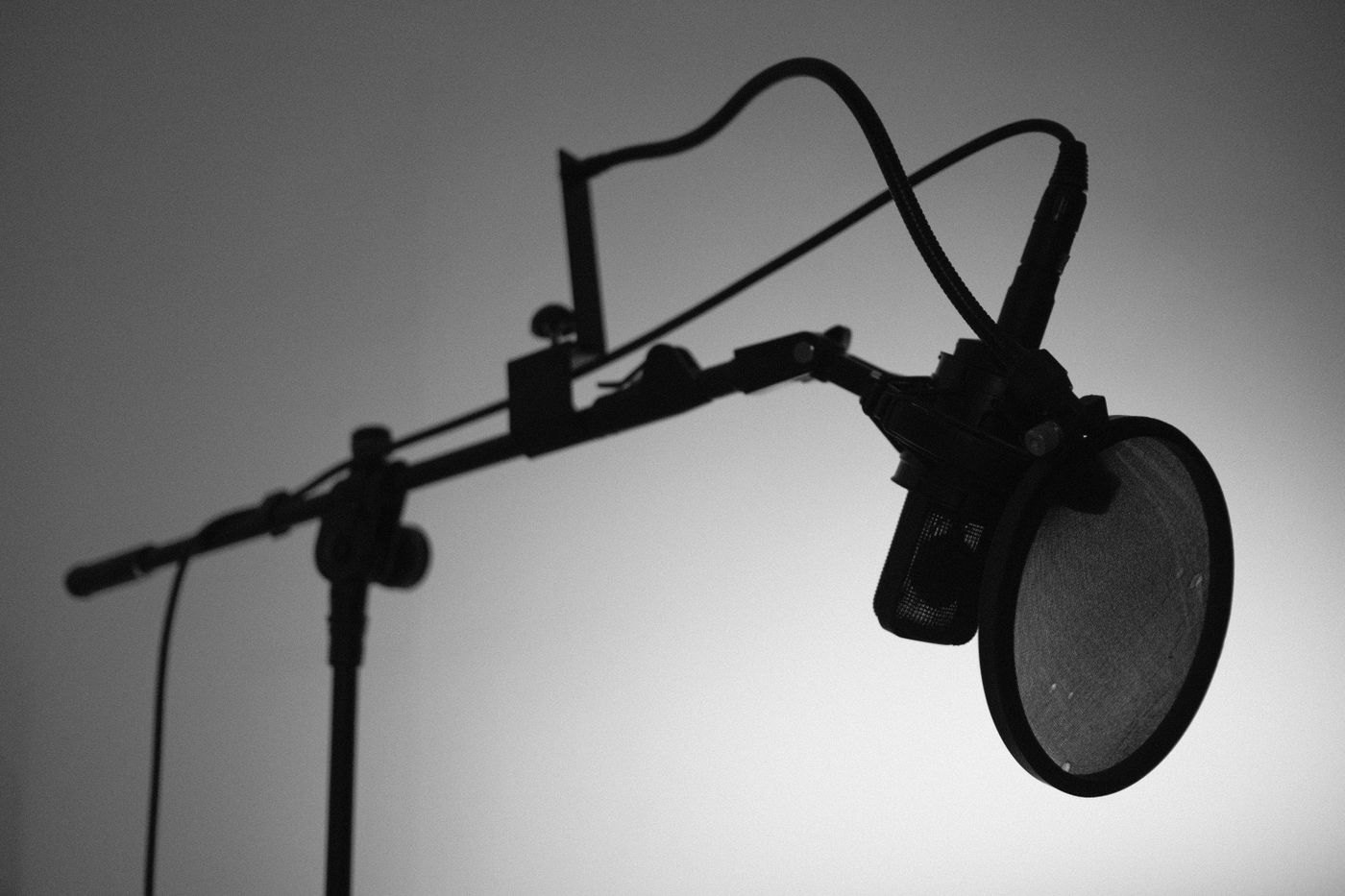
Verify the desk edge and total supported load before bringing a microphone out over a lightweight surface.
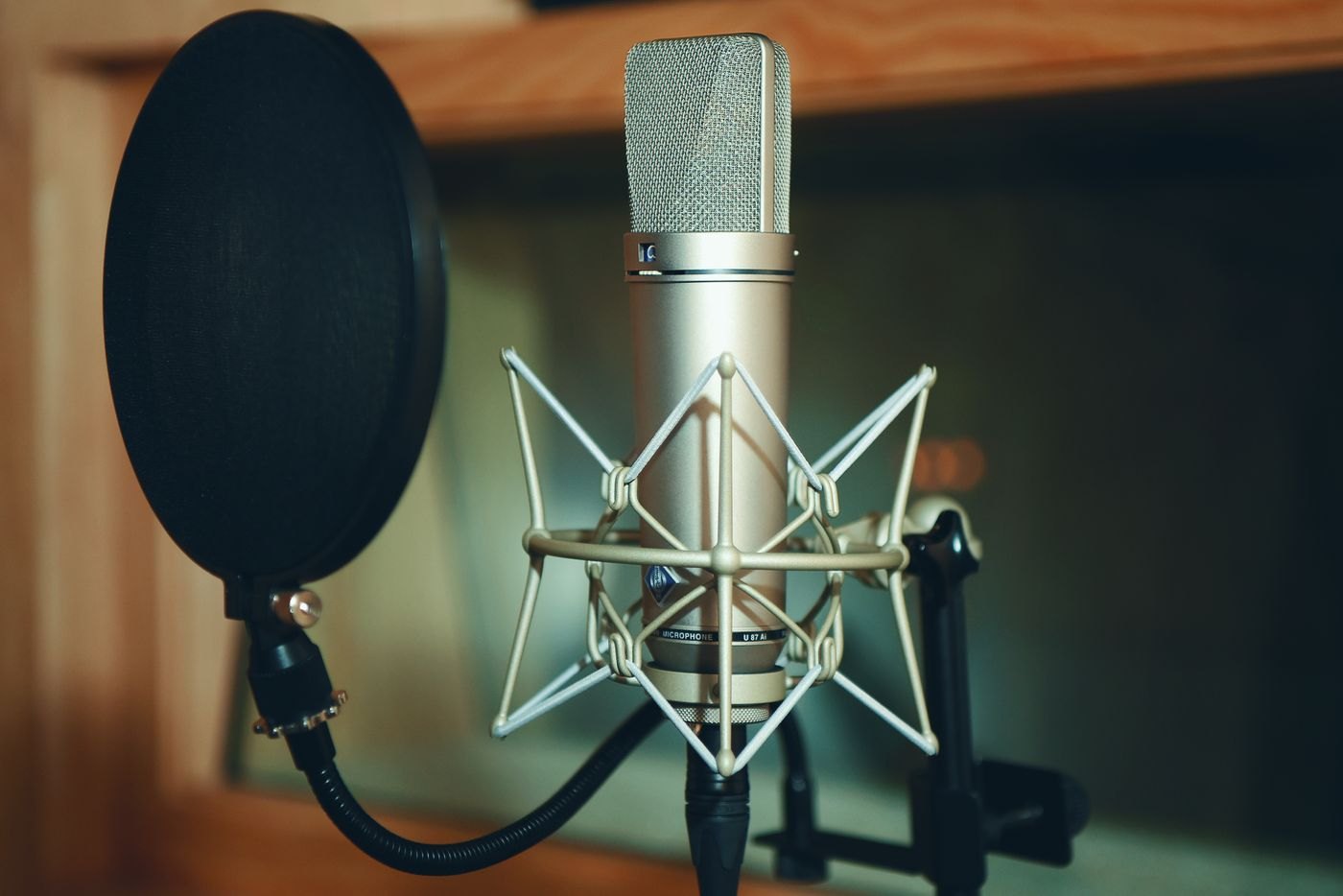
Choose a filter that can stay in the right place without blocking your screen or overloading the microphone support.
Identify the exact earbuds and follow the instructions for their contacts and case, rather than using a generic cleaning tool kit.
Check microphone routing, connection modes and controls before assuming a gaming headset will behave the same way in a meeting.
Distinguish remembered pairings from simultaneous connections, then test how the headphones choose between a phone and computer.
Use voices you know, low-level controls and the actual listening position to judge a compact speaker setup.
Build the recording path around one voice and the actions shown on screen before adding mixers or extra microphones.
Choose the enclosure style around room noise and nearby listeners, then compare individual headphones on their own merits.
Match the microphone's connector, power and signal needs to the interface before comparing extra sockets or software bundles.
Measure the headphones in their intended storage position and leave room for accessories without pressure on the ear cups.
Identify whether the unwanted sound travels through the air, the support or the cable before changing the recording setup.
Verify the actual meeting application, audio route and fallback before the interview starts.
Keep playback mode, call use and charging-case totals attached to the advertised number of hours.
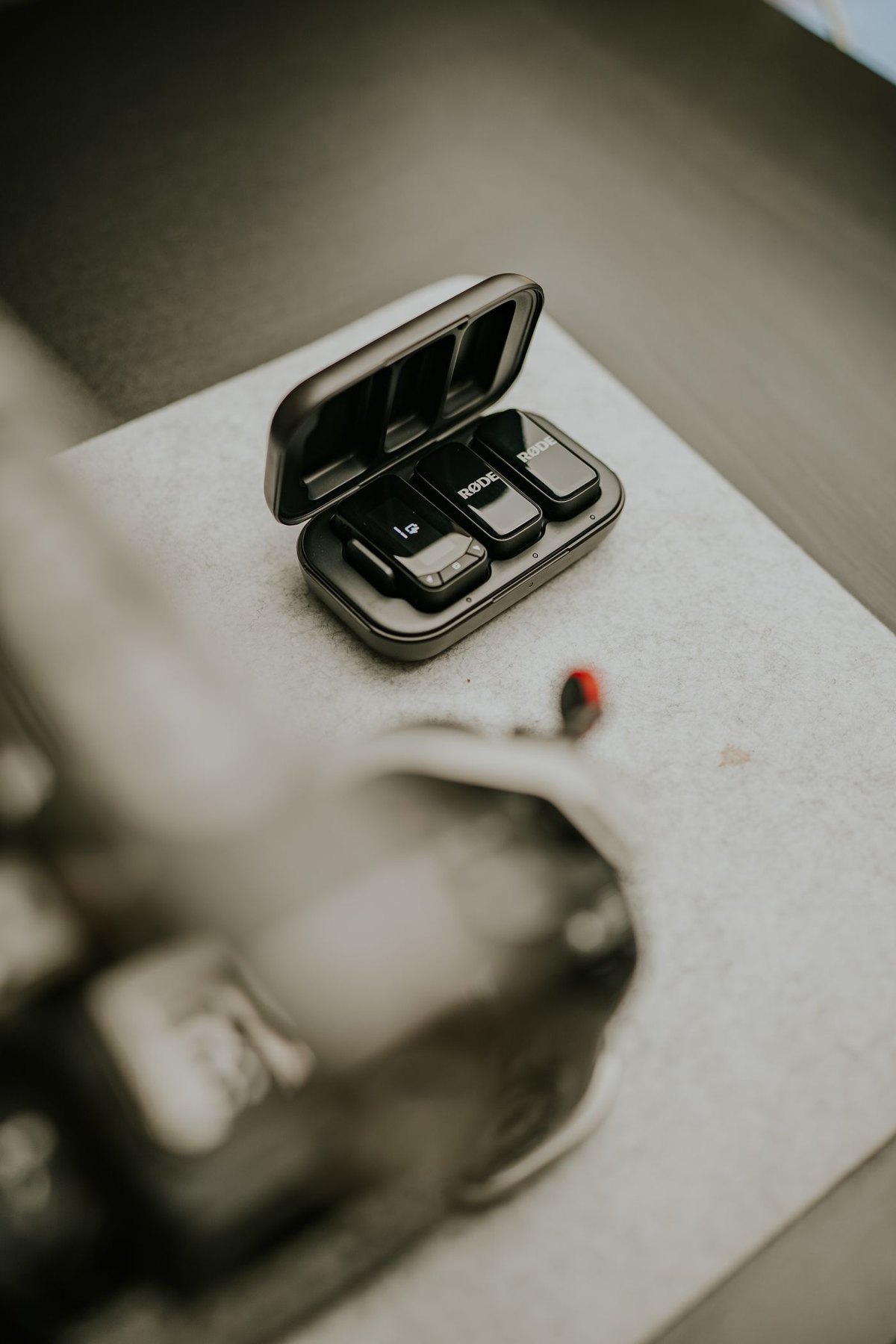
Check the microphone-to-phone connection and clothing placement before assuming a small clip guarantees usable video sound.
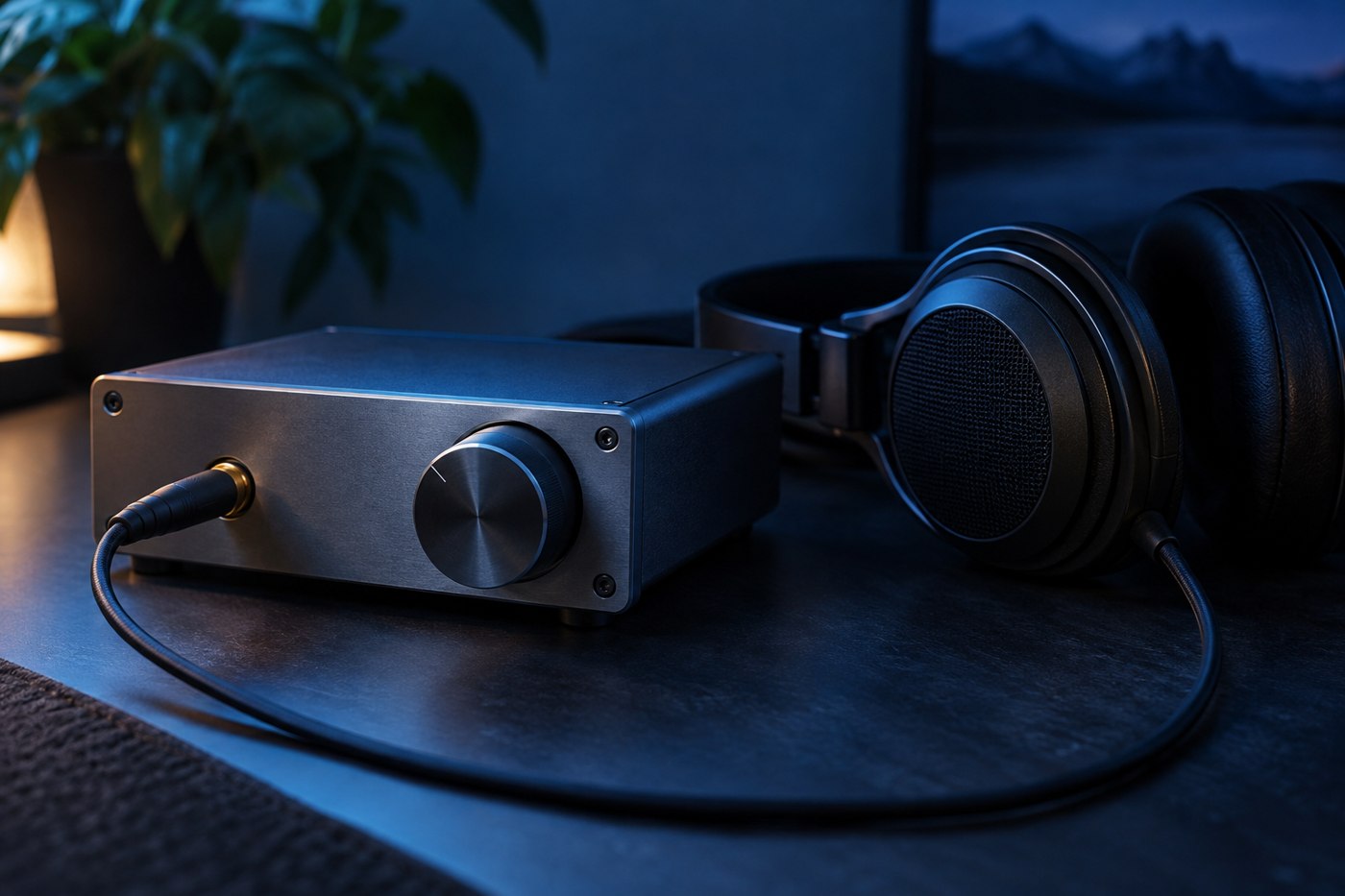
Identify the limitation in your present headphone setup before adding another powered device to the signal path.
No matching articles. Try a shorter phrase or clear the search.