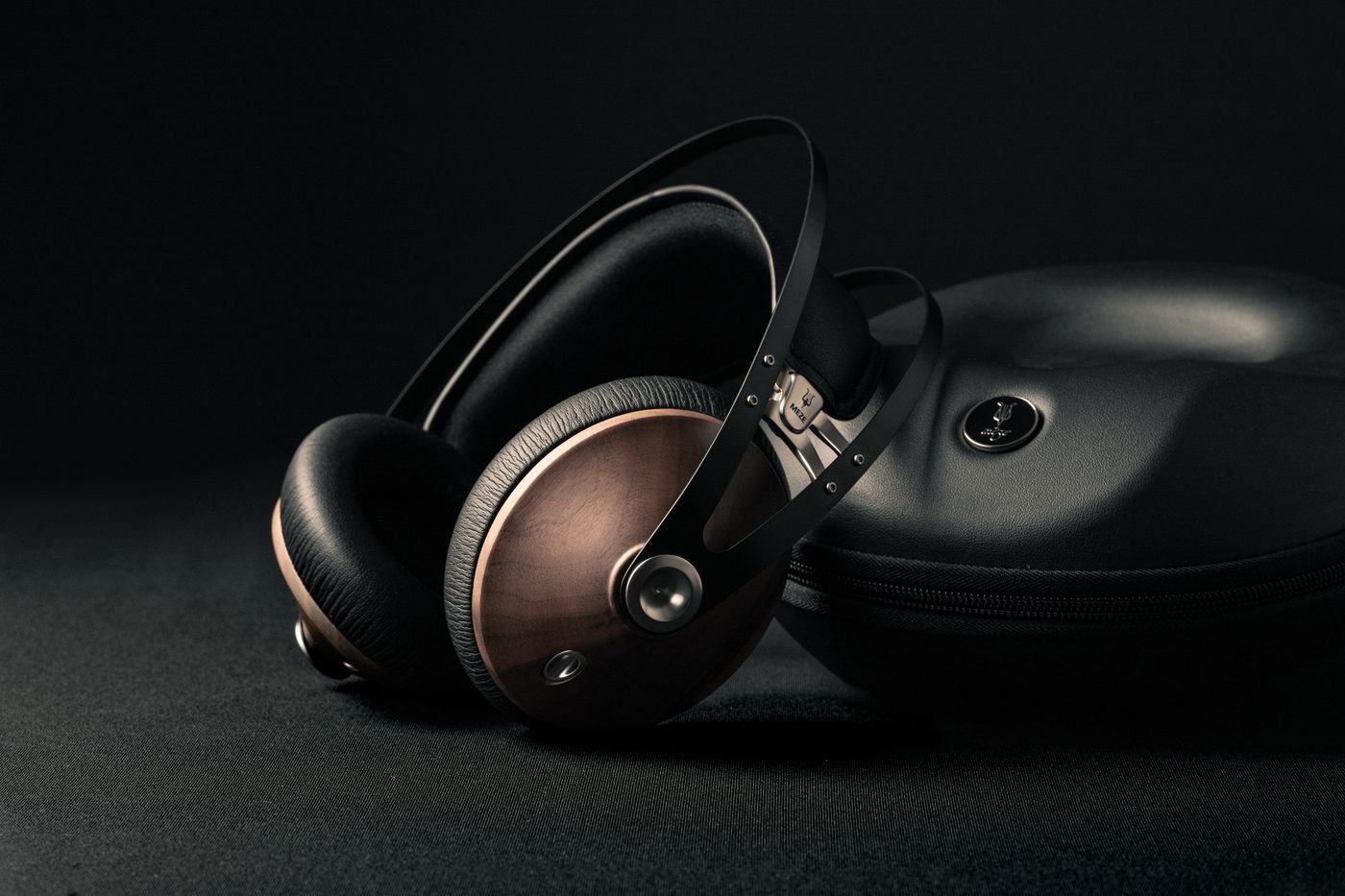
A carrying case should fit the way your headphones are designed to fold or rest. Find the model's storage diagram first, then measure the resulting shape. The outside dimensions of the headphones while worn are not necessarily the dimensions that matter inside a case.
Compare the case's internal measurements, not only its external size. Padding, shaped dividers and accessory pockets reduce the available space. If a listing claims compatibility with many models but provides no usable internal dimensions, ask for them before relying on the photograph.
Check contact points
Place the headphones inside without forcing the cups, hinges or headband into a new position. The lid should close normally and the zip should not be used to compress the equipment. Look for pressure against controls, a projecting plug or a thin hinge.
A shaped case can hold a particular model securely but may be less flexible if you later change headphones. A general case can accommodate several shapes yet allow more movement. Choose based on the equipment you own and the journeys it makes, rather than a vague claim that one design is universally protective.
Give accessories a separate place
Store a detachable cable as instructed and keep adapters in a pocket where they cannot press into the cushions. If the case has a mesh compartment above the headphones, check what happens when it contains a charger. A pocket existing does not mean every object placed in it has safe clearance from the cups below.
Do not leave a cable connected solely to save a few seconds if its plug prevents the headphones from seating properly. Follow the manufacturer's storage advice and avoid tight bends near either connector.
Match the case to the bag
A rigid shell may resist everyday compression better than a soft pouch, but it also occupies more luggage space and should not be treated as crush-proof. Place it where heavy books or bottles do not bear directly on it. Check whether the case can be removed without emptying the whole bag if you use the headphones during travel.
For a pair kept mostly at a desk, a simple clean storage solution may be enough. For frequent transport, a secure fit and accessible accessory compartment can justify a larger case. The right choice protects the actual folded shape without turning each packing attempt into a puzzle.