Headphones that seem comfortable during a short shop demonstration can feel different once you are reading, typing or wearing glasses. A useful trial resembles the session you want them for. Sit in your usual position, turn your head toward another screen and reach for the controls. Listen at a comfortable level; increasing the volume does not tell you whether the fit is right.
Notice where the weight and pressure sit
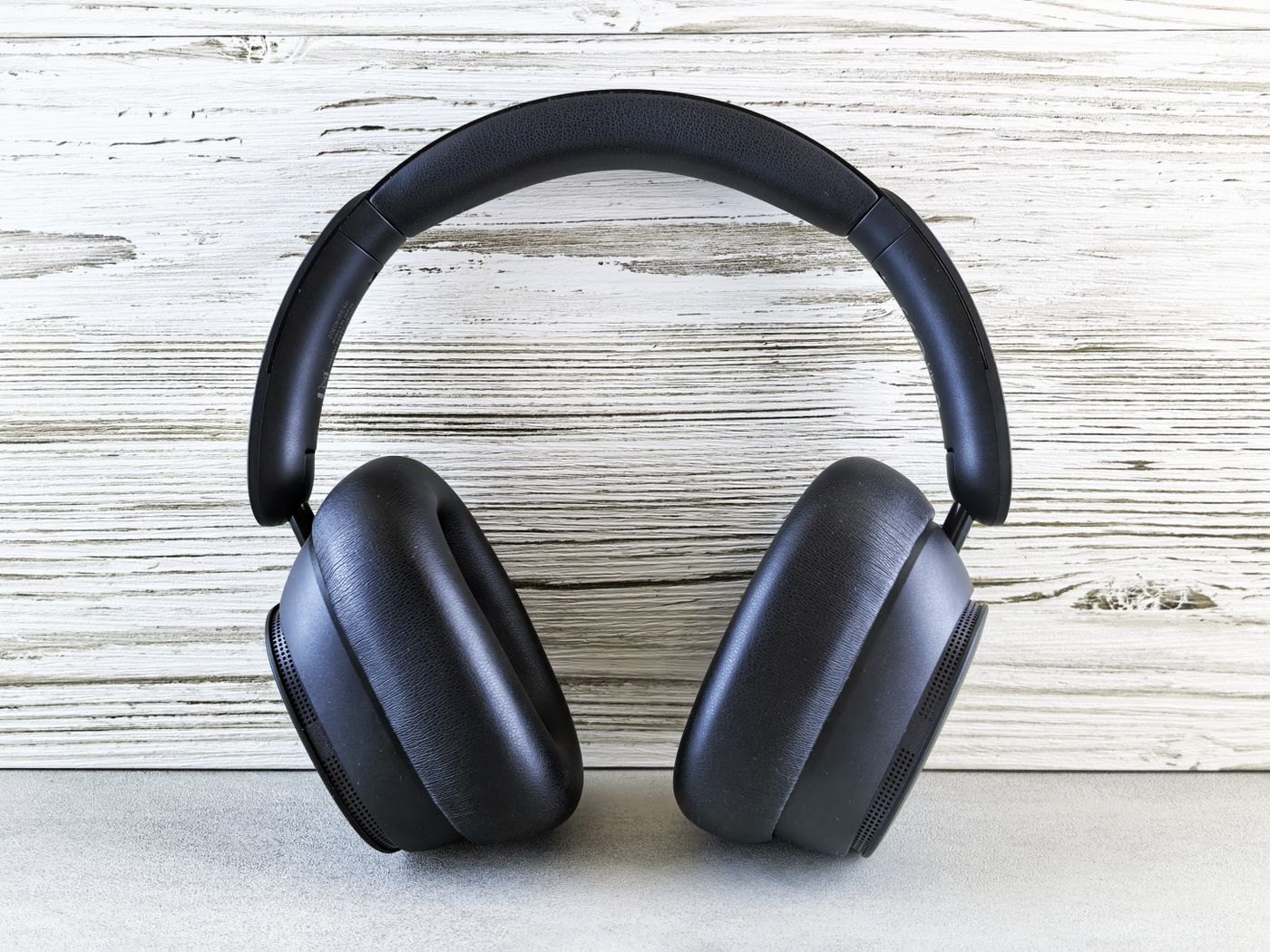
Adjust the headband before judging the ear cups. Sony's fitting guidance for its over-ear headphones describes centring the cushions around the ears and letting the headband rest gently on the head. Use the instructions for the model in front of you, since hinges and adjustment mechanisms differ. Do not force a band open in an attempt to reshape it.
Bring the glasses or other headwear you normally use. Notice contact at the temples, the top of the head and the edges of your ears. These observations are more useful than a reviewer calling a pair universally comfortable. A light model can still press in an awkward place, while a heavier model may distribute its weight differently.
Also consider heat and the room. If your desk is warm, a brief air-conditioned demonstration is a poor match. Check the seller's return conditions before buying so you know whether a normal at-home fit trial is possible. Keep the headphones clean and follow those conditions rather than assuming all opened audio products can be returned.
Include the pauses in your day
Long sessions contain interruptions: a conversation, a call on another device, a trip away from the desk. Try locating pause, volume and mute without looking. Touch controls and small physical buttons can suit different people; neither design earns a place on your shortlist until you can operate it reliably.
For a wired pair, consider which side the cable exits and whether it crosses your working hand. For wireless headphones, look for a charging arrangement that fits the breaks you already take. If you expect to keep listening through a cable when the battery is empty, verify that exact behaviour in the manual. A socket does not establish every possible operating mode.
Think beyond the first set of cushions
Look up replacement ear pads and their installation instructions while the model is still easy to identify. Availability, attachment method and cleaning guidance matter for equipment used daily. An aftermarket cushion described as the right diameter may still use a different attachment or change how the headphones sit.
A useful shortlist can contain just three observations for each candidate: how it fits with your normal accessories, how you handle interruptions, and how you will maintain it. Sound preferences remain personal, but these ordinary details often decide whether a pair stays on the desk or spends most of its life in a drawer.