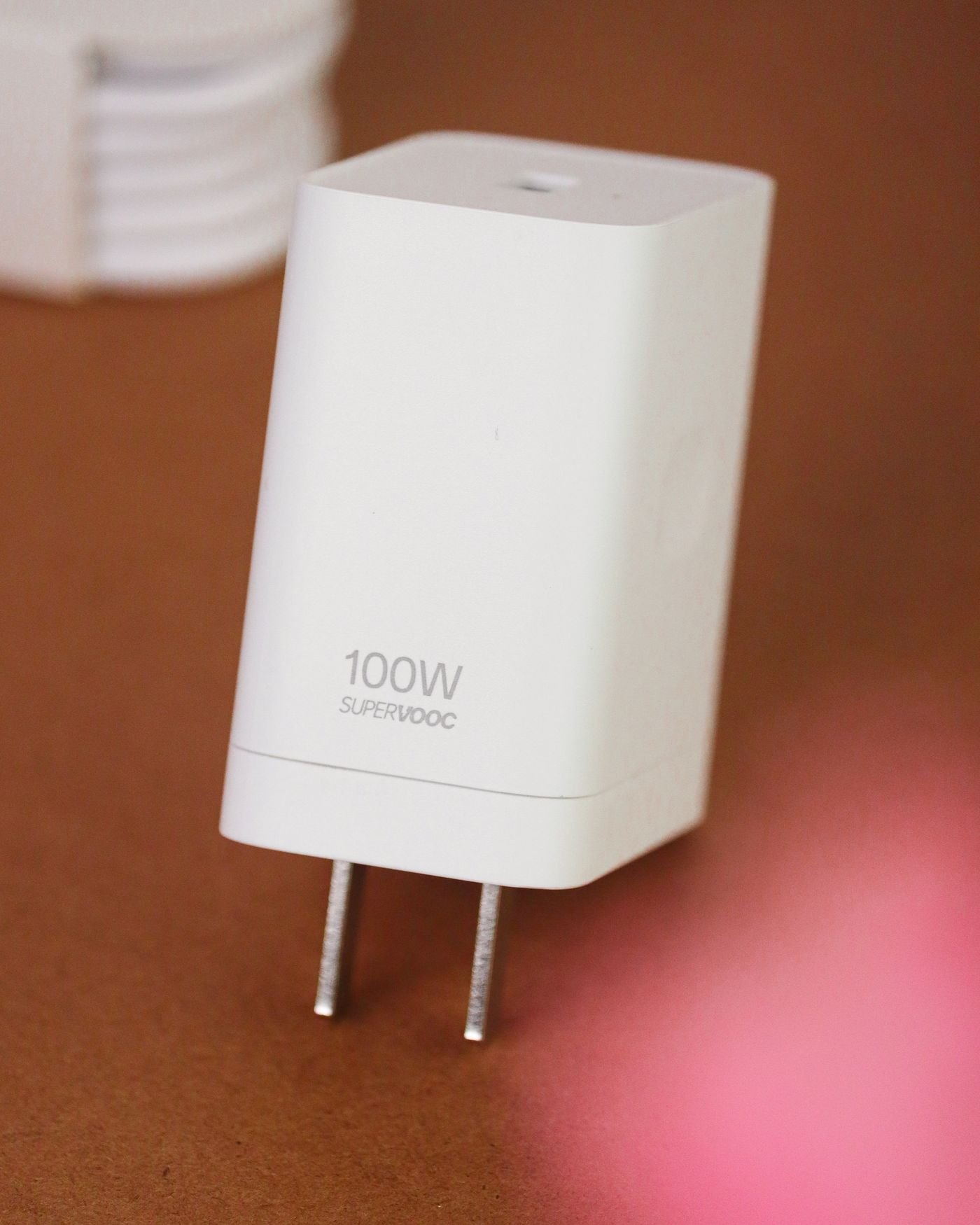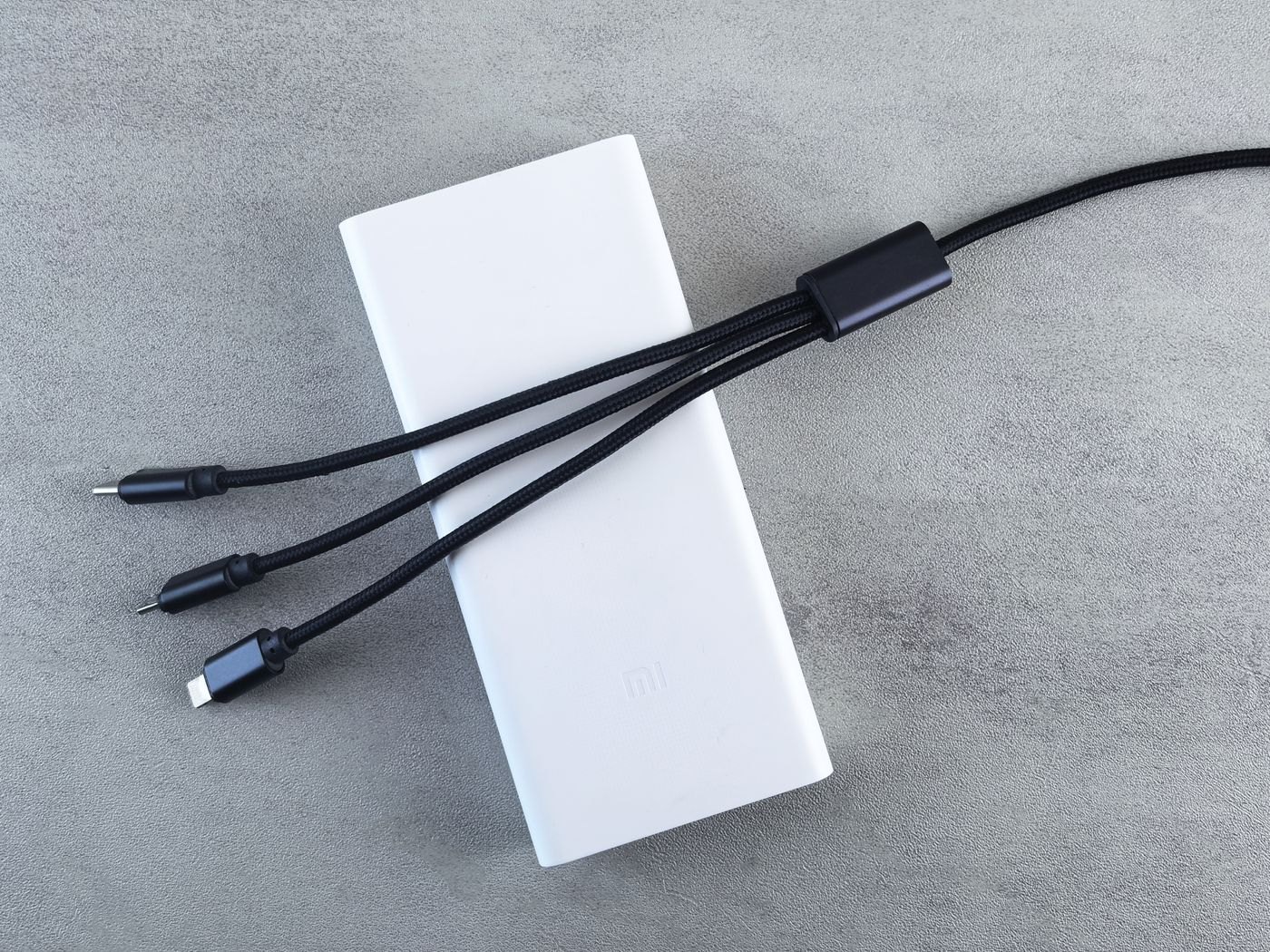
A power bank listing may emphasize a large capacity number while putting the output details farther down the page. Capacity concerns stored charge or energy; output power concerns what the bank can deliver to a connected device at a given time. You need both kinds of information, but they are not interchangeable.
Milliamp-hours, written mAh, describe charge at a stated voltage. Watt-hours, written Wh, describe energy. The conversion is Wh = mAh × V ÷ 1,000, using the relevant rated voltage. Do not insert a convenient USB output voltage into a calculation when the capacity is specified at the internal cell's nominal voltage.
Use the label's own energy figure
Where a watt-hour rating is provided, read it directly and keep the model reference. That can be useful for travel checks and for comparing stored energy without overlooking voltage. A missing or unclear rating is a reason to ask the maker, not to invent a value from a product name.
As an arithmetic example, 10,000 mAh at 3.7 V corresponds to 37 Wh before considering delivery losses. This example explains the units; it is not a promise that a particular bank will supply 37 Wh to your phone or recharge it a fixed number of times.
Treat recharge counts as conditional
The energy reaching a device depends on conversion and charging losses as well as the way the devices are used. A phone operating during charging consumes energy at the same time. Battery condition and the stopping point can also affect an informal count of full charges.
Compare a maker's stated conditions if it advertises a number of recharges. Ask which device and test arrangement the claim refers to. Avoid turning the ratio between two mAh numbers into a guaranteed result when the ratings may use different voltages and omit losses.
Then inspect the output specification
Check the port, supported charging method and power available to the device you intend to connect. A large-energy bank can still have an output arrangement unsuitable for a laptop. Conversely, a high output figure does not mean the bank contains enough energy for a long session.
For a buying decision, write two separate requirements: enough stored energy for the planned use, and a compatible output for the device. Add weight and dimensions after those checks. This prevents a compact product with a striking headline number from appearing to answer every power question at once.
Do not mix a cell rating with a USB-output claim
A label can contain several numbers because the internal battery and the delivered output are described at different points in the system. Read the words beside each value. If the maker states a rated output capacity under specified conditions, keep those conditions with the figure instead of placing it beside a cell-capacity number as though the smaller value must be an error.
For an arithmetic comparison, imagine two hypothetical labels that both state 37 Wh but use different charge-and-voltage descriptions. Their stated energy is the common unit for that limited comparison. It still does not establish equal useful output, charging speed, size, condition or behaviour with your device. Those are separate product questions.
A buying note can therefore use four lines: labelled energy, compatible output, physical weight and the maker's relevant conditions. This is enough to prevent a common category mistake without requiring you to reverse-engineer a battery pack. If a label is unclear or the product identity cannot be verified, ask the maker for its documentation. Avoid opening the pack or trying to measure its internal cells to settle a shopping question.