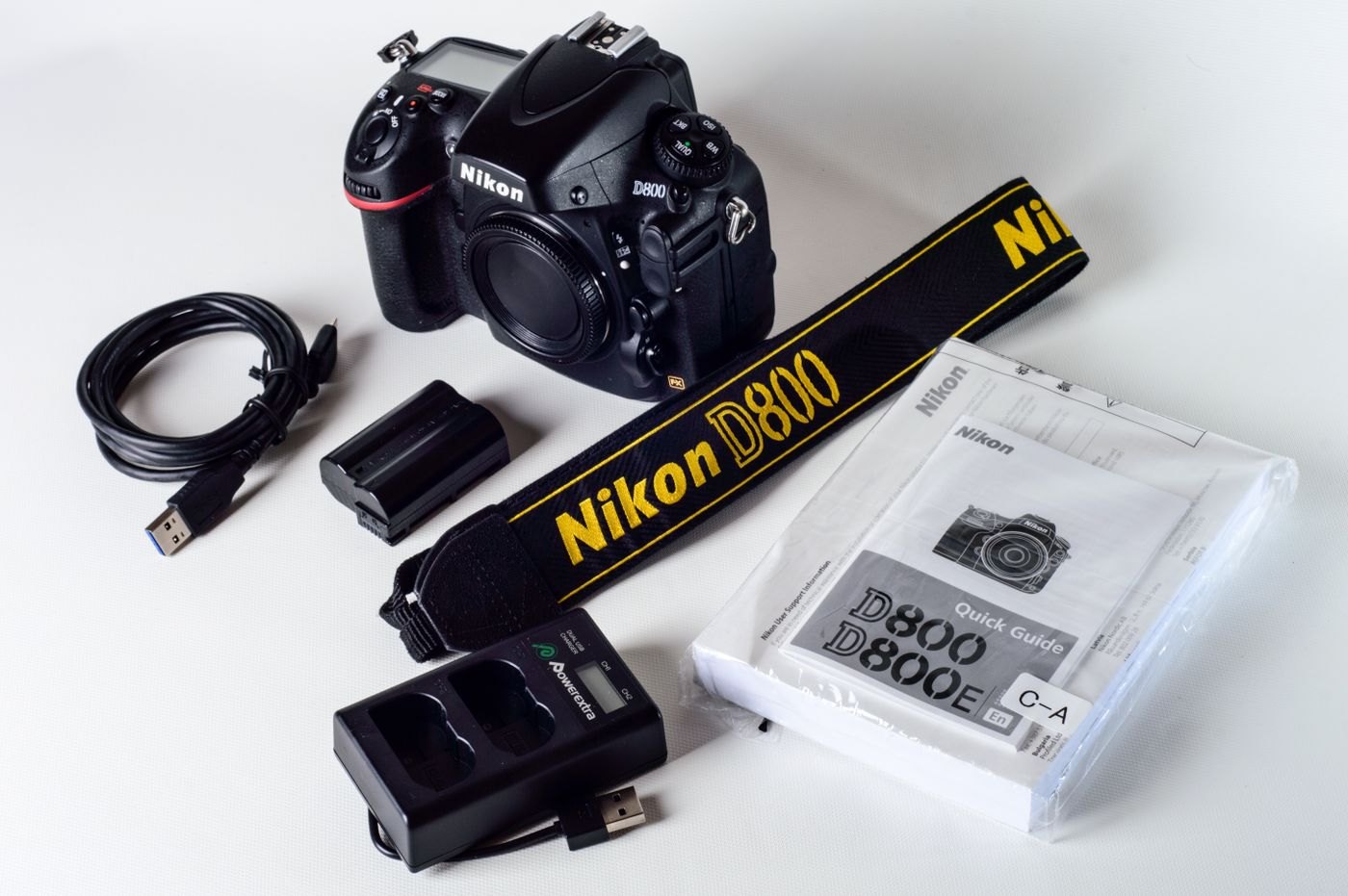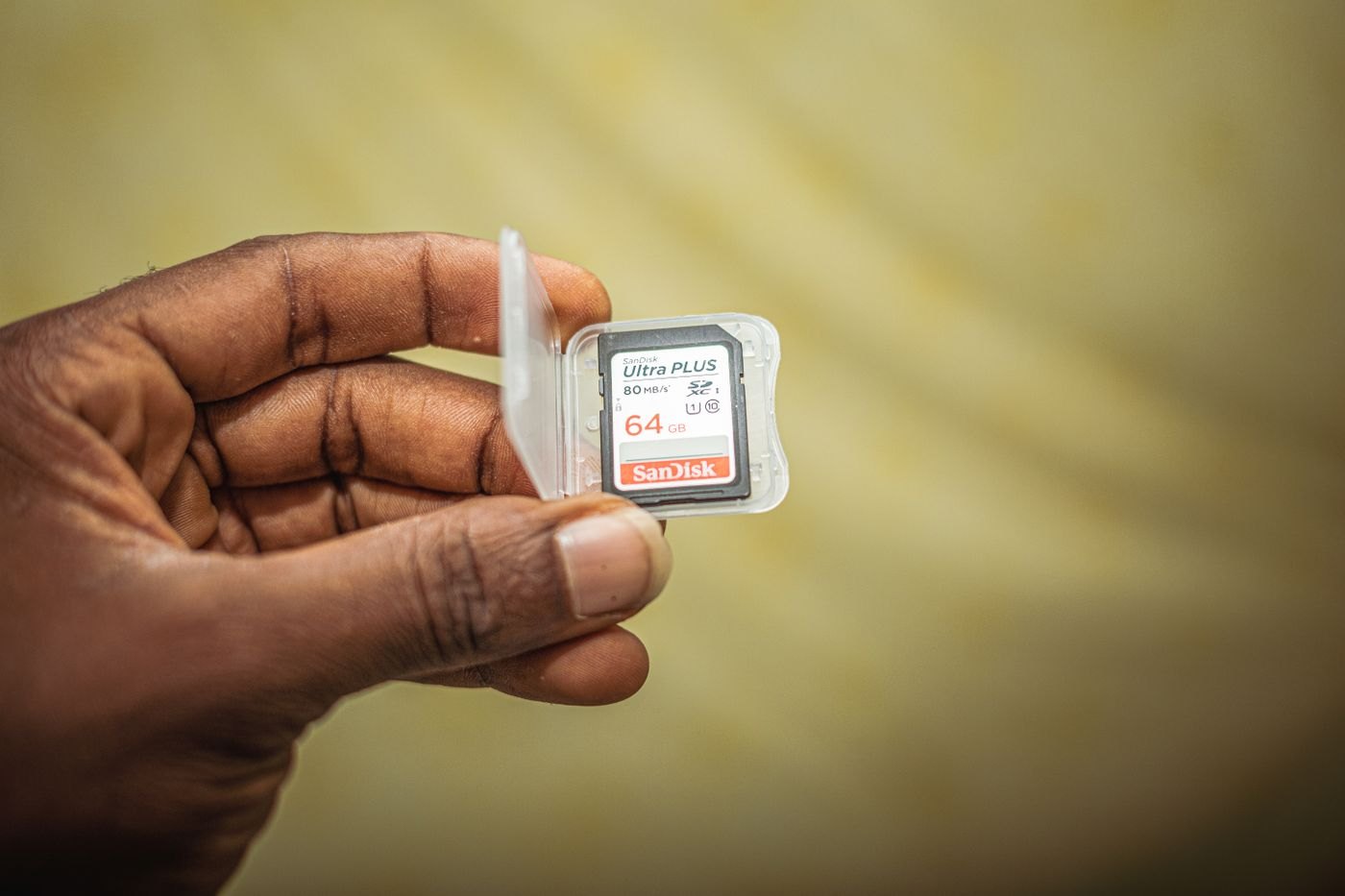
Give every memory card a short identifier that you can read without inserting it into a device. Put a matching label on its storage slot if that helps. Keep labels away from contacts and follow the card manufacturer's handling guidance. The aim is to distinguish cards reliably, not to cover every surface with tape.
Choose two clearly separate places: cards ready for use and cards holding material that must be preserved. A divided case can work, as can two labelled cases. Do not rely only on whether a card faces up or down if several people will handle the kit; that convention is easy to forget or reverse.
Add a third state when needed
A copied card is not necessarily ready to erase. If your workflow requires checking the import and making another backup, keep copied-but-unverified cards separate from fully cleared cards. A small written log can record the card identifier, event, copy destination and verification status.
For a shared event, appoint one person to manage the handover record. Each contributor should know where used cards go and who can authorize reuse. Avoid returning a card to the ready compartment simply because a computer displayed a successful import message.
Do not use a card's physical lock switch as your only workflow label. The switch has a technical purpose on supported equipment, while your organisational rule must remain understandable to people. A labelled case communicates the status more clearly without depending on how a particular reader handles the switch.
Reset deliberately after the work is safe
Once files have been copied, checked and backed up according to your process, prepare the card using the camera's instructions. Confirm the card identifier before any action that removes data. Move it to the ready location only after that preparation is complete.
If a card produces an error, remove it from the ordinary rotation and label the problem in the log. Do not place it with empty cards where another person may use it unknowingly. Preserve any needed material and investigate through the manufacturer's guidance or appropriate recovery help.
At the end of a job, count the cards against the inventory. This catches a card left in a reader or another person's camera before everyone disperses. The system should be simple enough to follow when tired; complicated colour codes are less valuable than one rule everyone actually remembers.