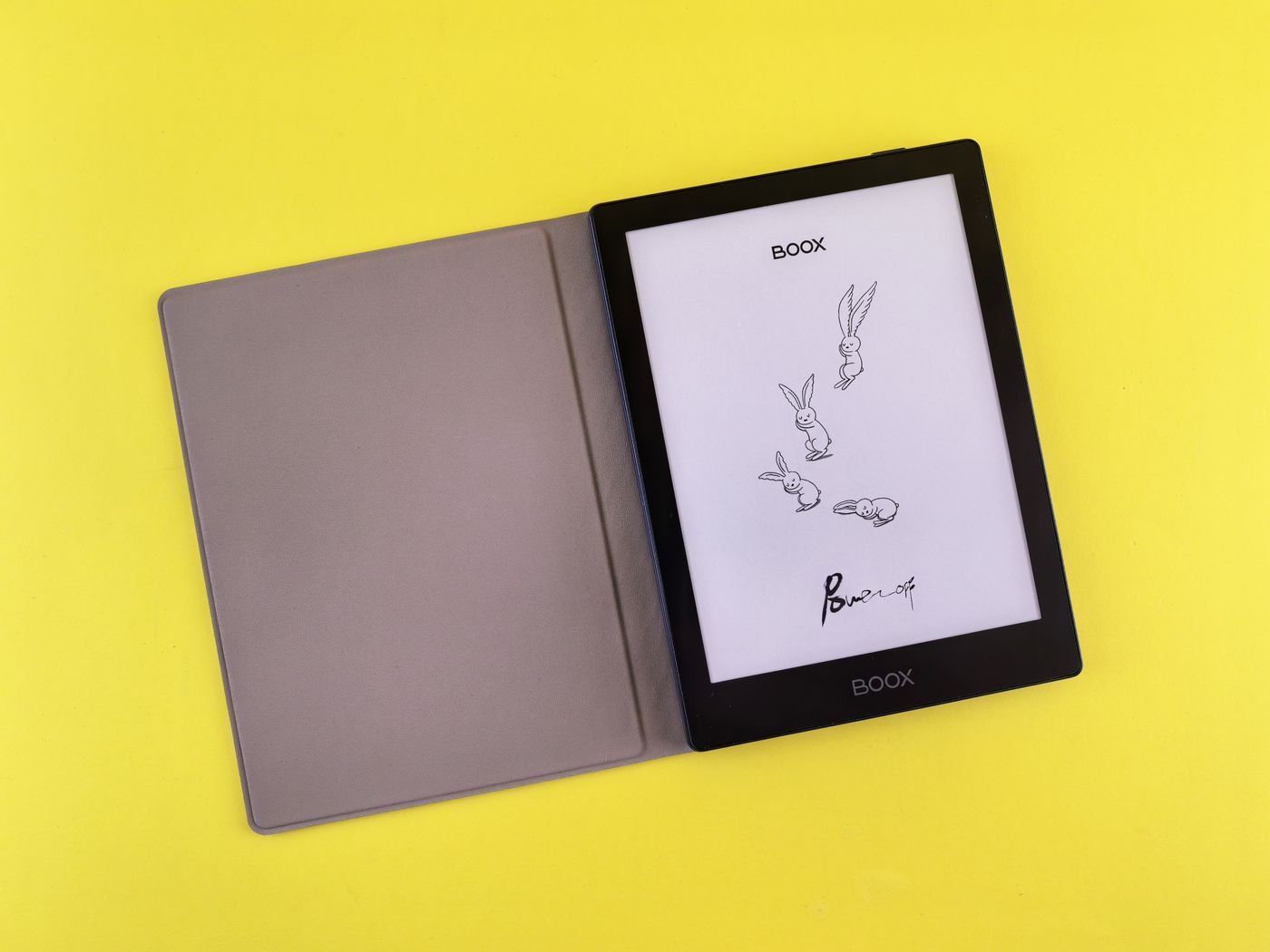
Start by deciding whether the household is sharing one physical reader or sharing eligible books across separate devices. Those are different arrangements. Check the retailer's current household or family-sharing terms for the relevant accounts and region. Do not assume that owning one copy permits every form of redistribution.
For a shared device, identify who controls the account and purchases. Agree before handing it to another person, especially when a store is accessible from the home screen. Use any supported purchase restrictions or profile features that fit the device, and verify their behaviour rather than assuming a folder acts as a private profile.
Make the library understandable
Create collections or another supported grouping around readers or purposes if the device allows it. Simple names such as Current reading and Family reference can be enough. Avoid a complex folder system that requires everyone to remember rules established by one person.
Check what happens when two people read the same title. Their last-read position, bookmarks or notes may share the same account state. If separate progress is important, confirm that the platform supports it or agree on a manual way to record each person's place. Do not promise independent profiles without verifying the exact model.
Keep personal documents and sensitive notes off a device shared casually unless the platform provides controls you understand. A screen lock can prevent outside access, but it does not necessarily separate the information visible to different people who know the code.
Agree on ordinary borrowing habits
Choose a place where the device returns after use and a simple charging routine. The person who notices a low battery can connect the approved charger, while the person taking it away checks that another reader does not need it. These small agreements often matter more than adding another organising application.
Before deleting a title to free space, distinguish removing a local download from deleting something from an account or library. Read the device's wording and keep personal files backed up elsewhere. A household member trying to make room should not have to guess whether the action affects everyone.
Review the arrangement after a few weeks. If people repeatedly lose their place or need the device at the same time, a shared reader may not suit the pattern. Keep the book-access rules and the hardware decision separate when considering another device.