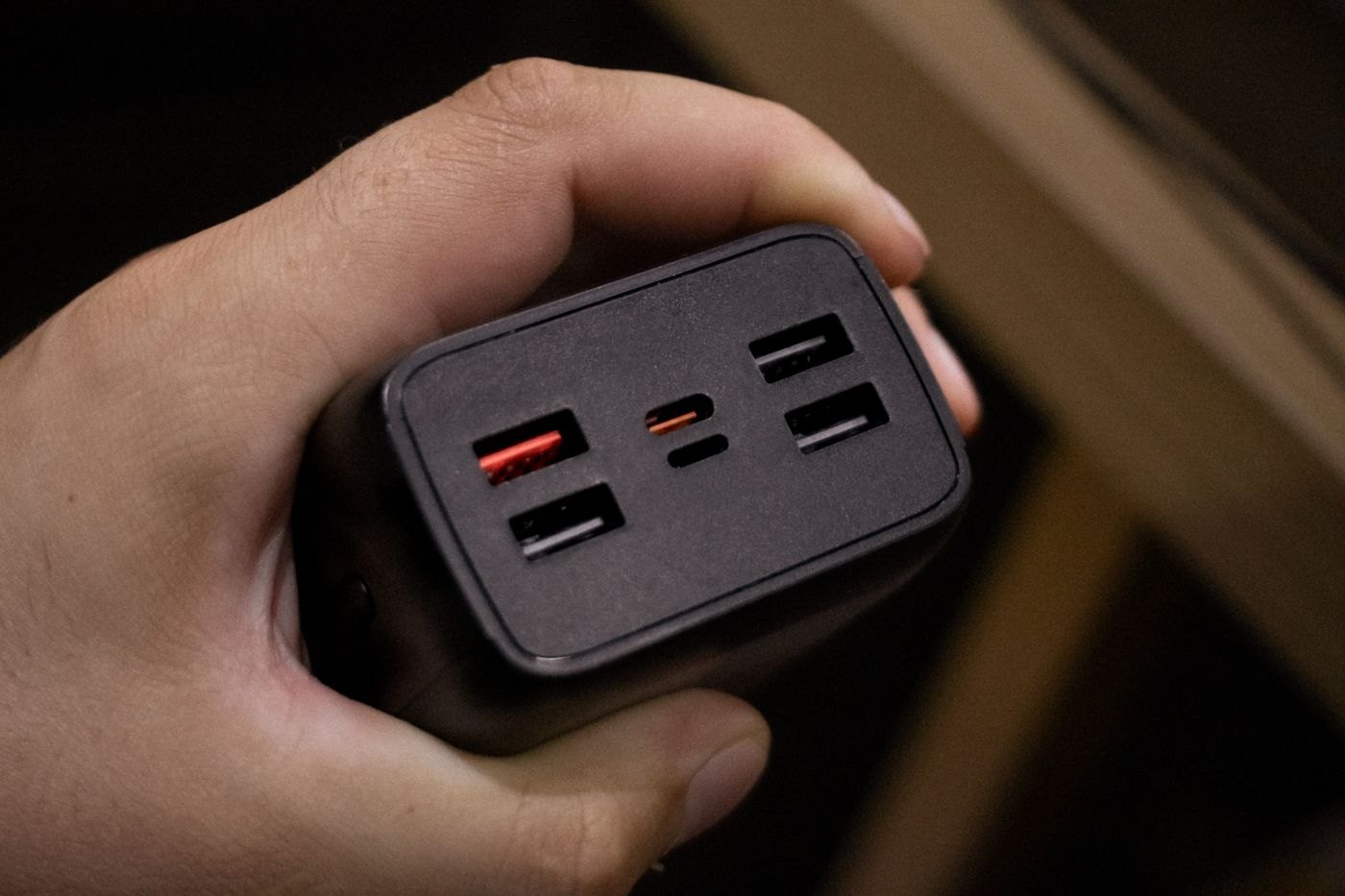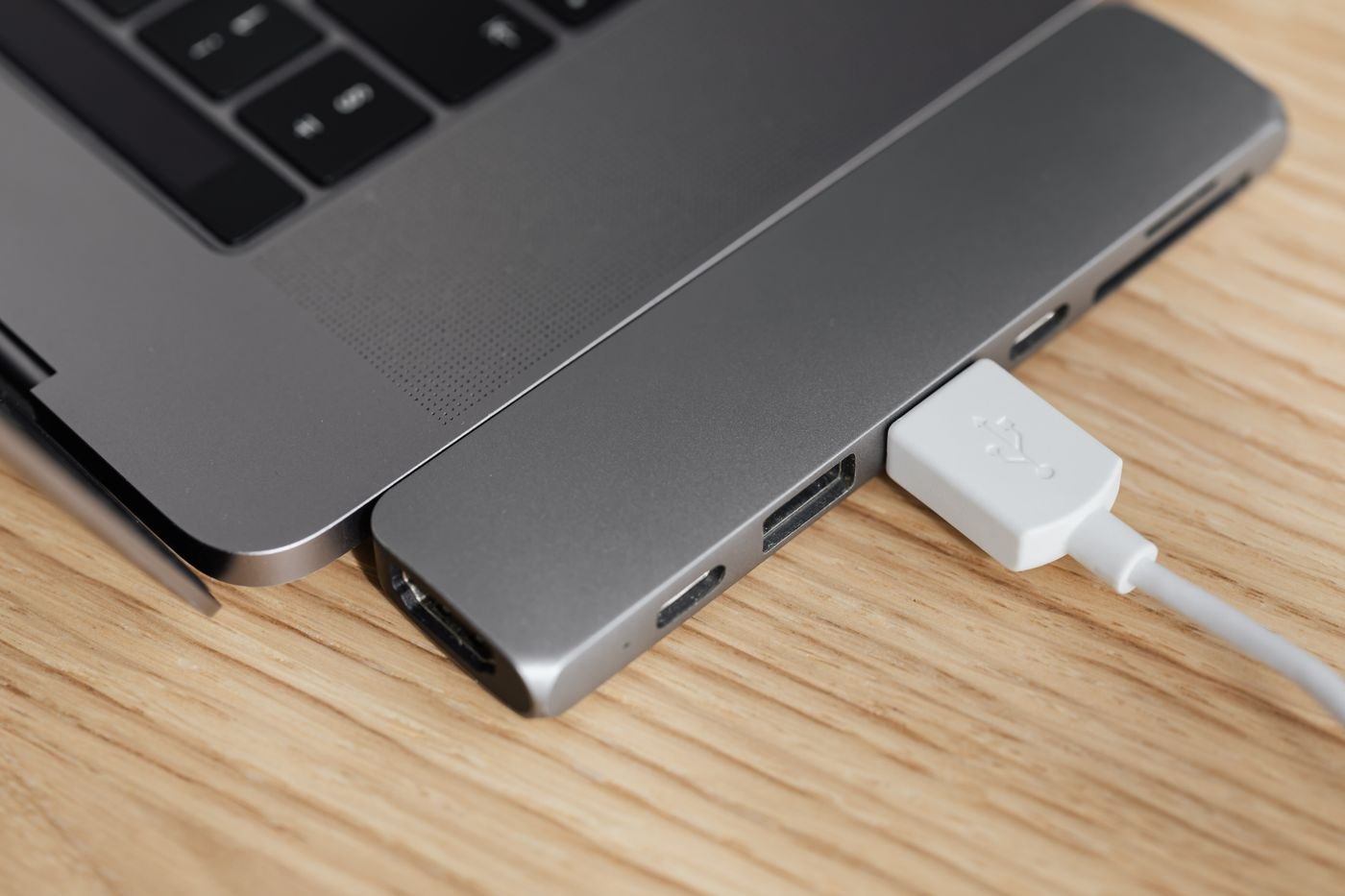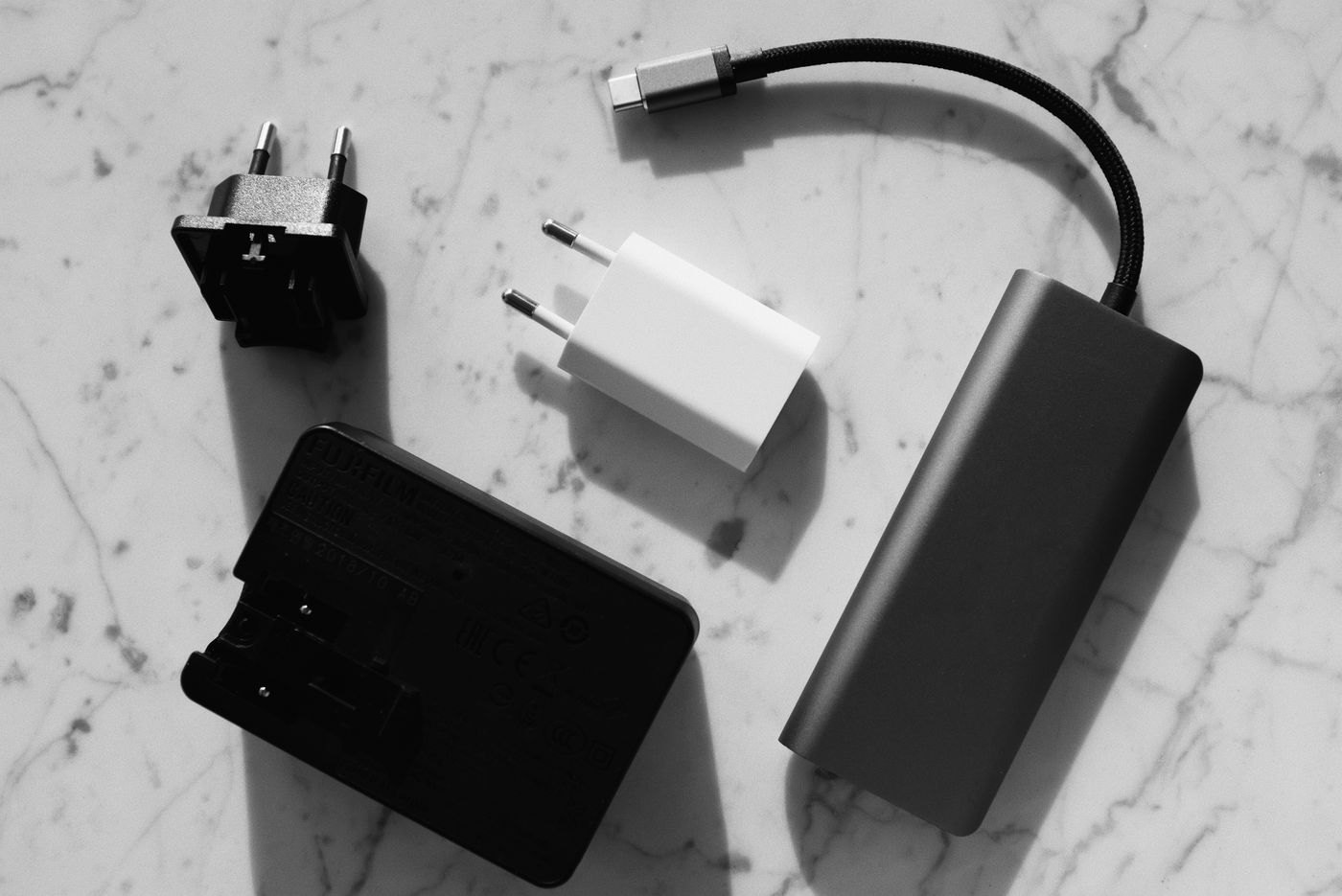
A travel charger needs to connect appropriately at the destination and supply a supported output to your devices. Those are separate checks. The shape of a plug adapter does not establish that it changes the supply voltage, and a familiar USB socket does not establish the charging capability behind it.
Read the charger's input label and the manufacturer's travel instructions. Compare them with the destination's electrical requirements through a suitable official travel or electrical reference. If the label is missing or unclear, use an identifiable product with documentation rather than guessing.
Check the complete wall connection
Choose a plug adapter intended for the destination and the equipment involved, observing its ratings and instructions. Do not build a loose stack of adapters to fit several incompatible shapes. A bulky charger can also cover adjacent sockets or sit poorly in a recessed outlet, so consider the physical arrangement.
If the charger has interchangeable plugs, use the intended parts and fitting method. Confirm that the part supplied is for the actual charger model. Similar appearance is not enough to establish a secure or supported connection.
Plan the devices used together
List what will charge overnight or during a short stop. For a multiport charger, check the output allocation with that combination connected. A laptop and phone can create a different demand from two small accessories, even when the same number of ports is occupied.
Pack verified cables for the chosen devices and keep their purpose clear. Avoid adding an unidentified spare solely because it has the right connector. A spare is useful when you know which function it supports.
Keep arrival simple
Place the essential charger and lead where you can retrieve them without unpacking every bag. Keep the equipment uncovered during use and follow its instructions about operating conditions. A bedside fabric pouch is storage, not necessarily a suitable place to run a charger.
Check the room arrangement before stretching a cable across a walkway. If the outlet is inconvenient, use the available furniture safely rather than suspending a device from its lead. The travel kit should solve an ordinary charging task with known components, not require improvising a new electrical arrangement at each stop.