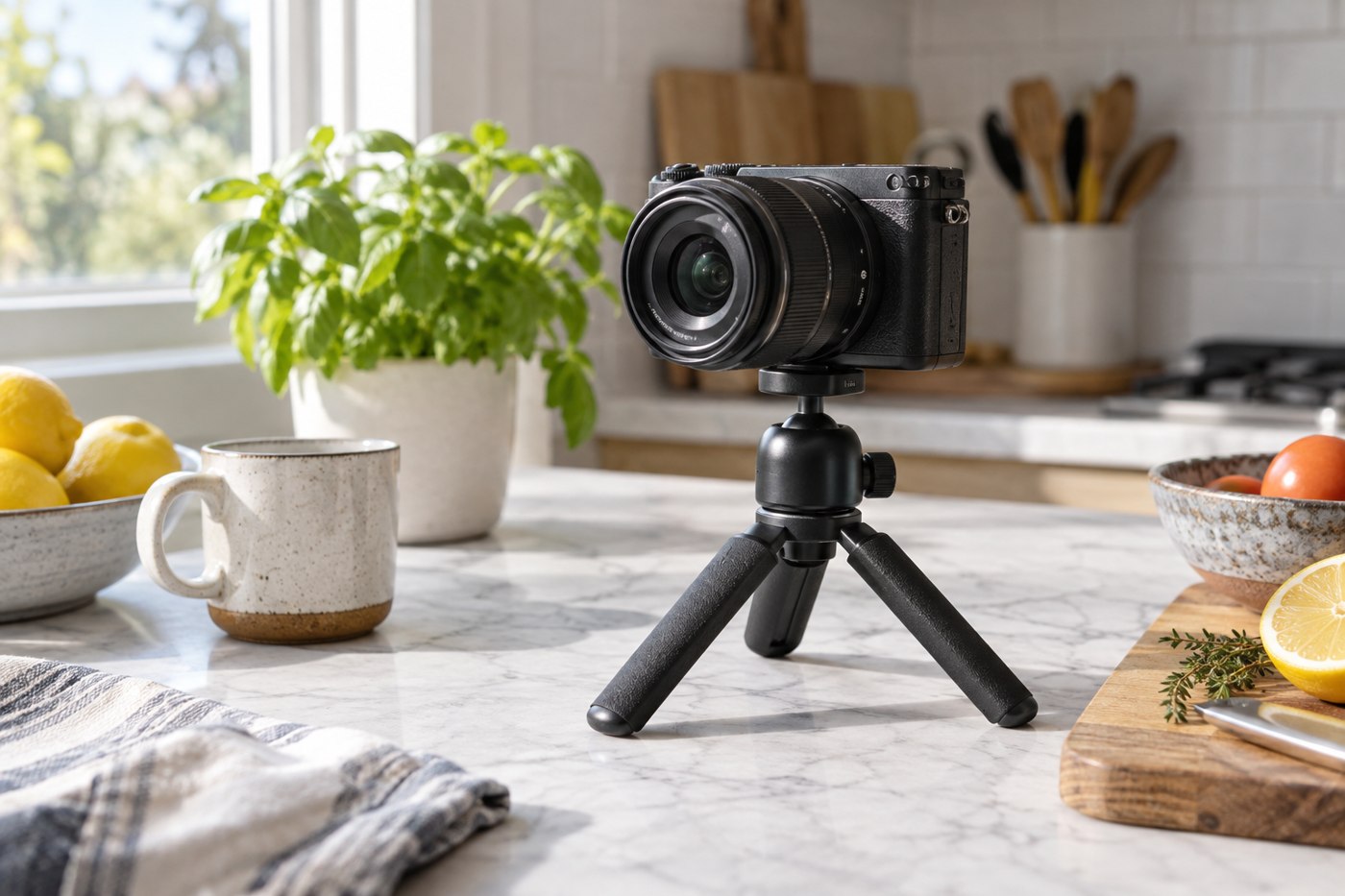
Put the equipment you intend to carry on a table. Include the lens normally attached to the camera, spare lens caps, a charger and any small item that would stop the day if forgotten. Remove accessories that belong to an imagined future kit. A bag chosen around those hypothetical items can become unnecessarily bulky for every real outing.
Measure the largest object in the way you will pack it. A camera body with a lens attached has a different shape from two separate pieces, and a lens hood changes the space required. Compare usable interior dimensions, not only the bag's external measurements or a photograph showing another person's equipment.
Access is part of the fit
Think through one ordinary lens change. Can you reach the replacement without placing loose parts on the ground? Is there somewhere for the removed cap? Dividers should hold equipment apart while allowing you to lift an item without dragging another with it. A tight fit that requires force is not a useful way to save space.
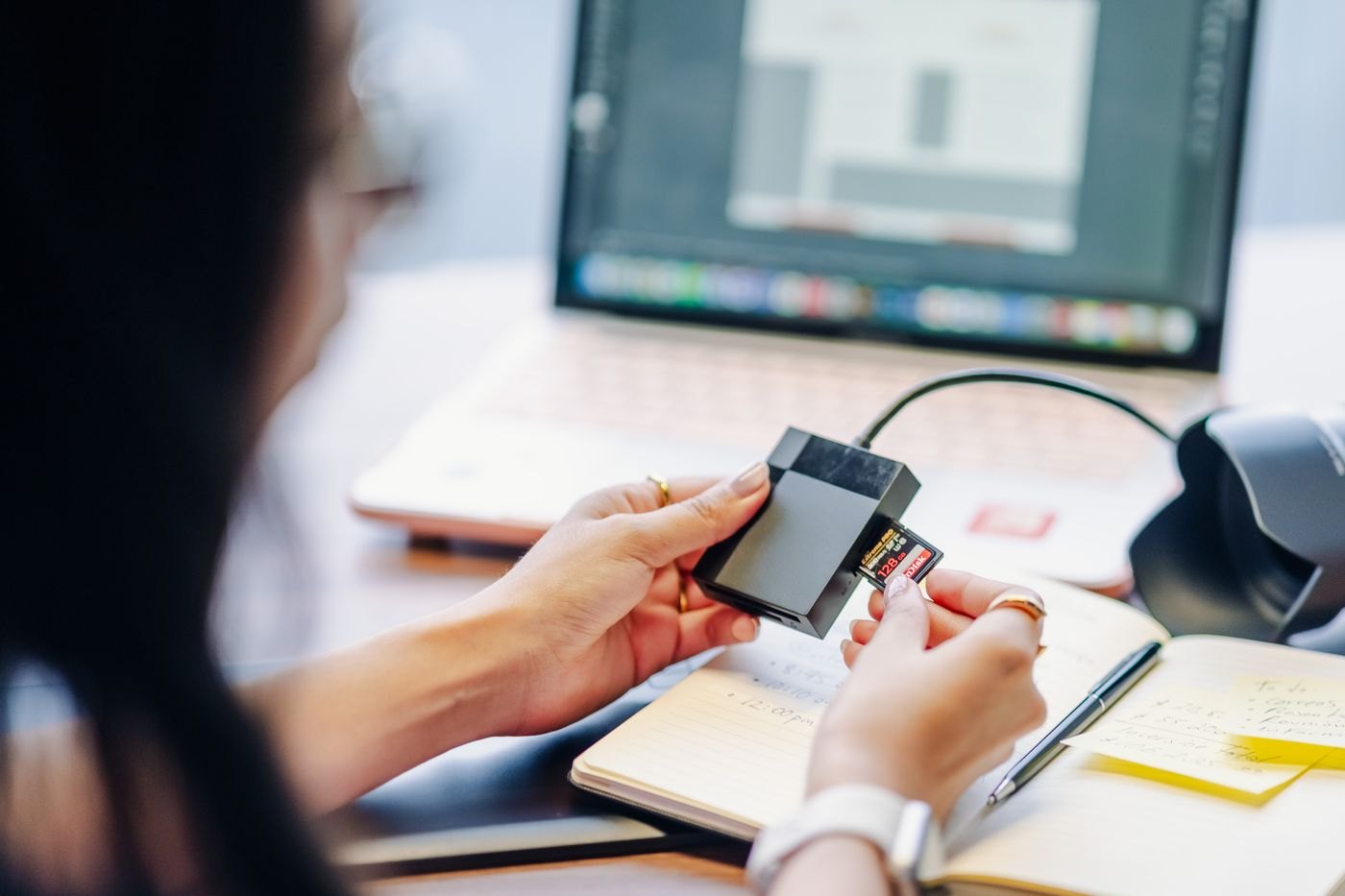
Small pockets need a purpose. Give memory cards a protected location, keep spare batteries as directed by their manufacturer and isolate items that could scratch a screen or glass surface. Do not place a bottle where a leak would directly reach the camera compartment. A pocket being available does not mean every object belongs there.
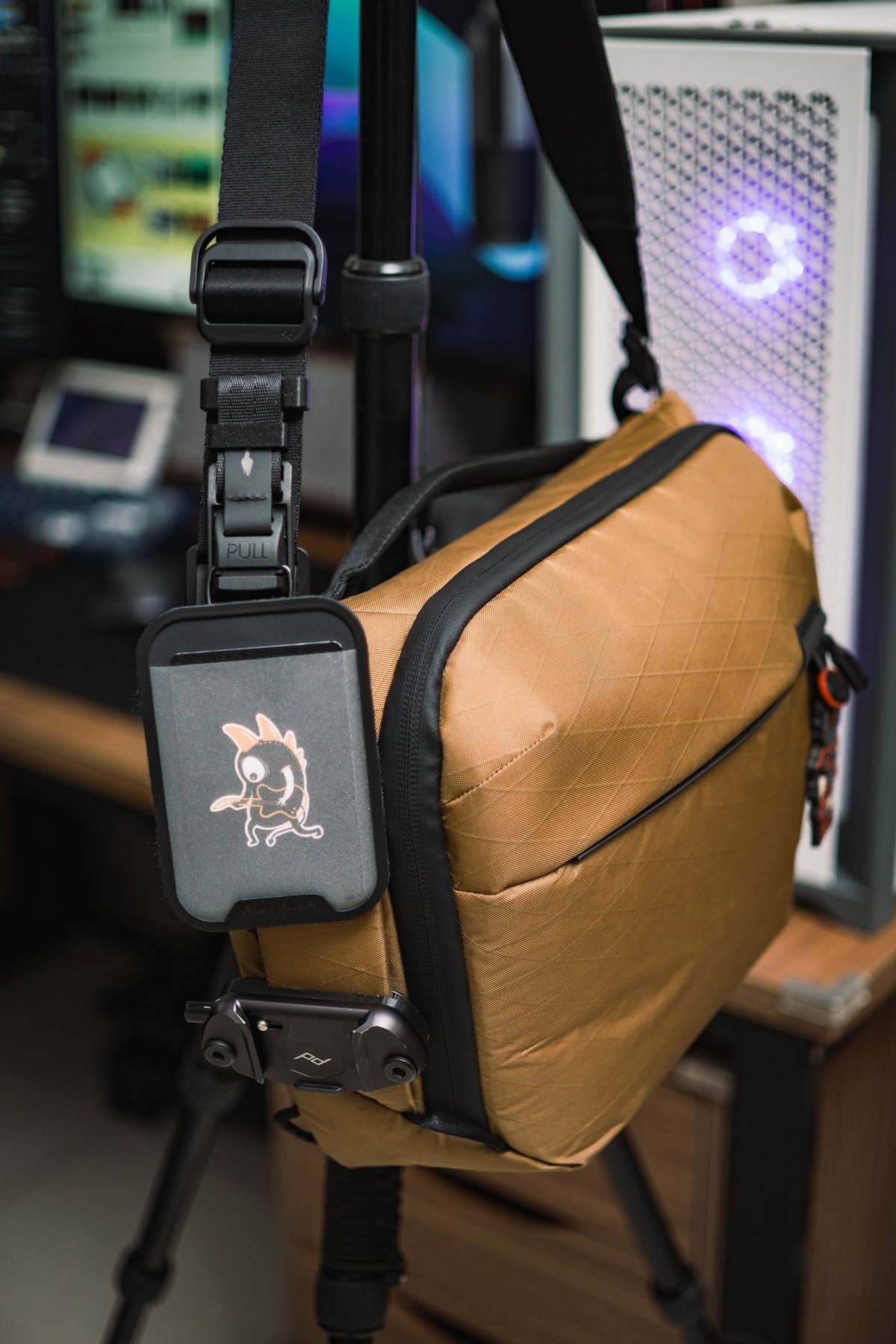
Try the bag with a realistic load and the clothing you normally wear. Walk, sit and bend to retrieve something. Check whether the opening remains manageable when the strap is over your shoulder. Comfort and access cannot be inferred reliably from the unloaded product photograph.
Choose protection for the actual journey
A padded insert inside an everyday bag may suit short local trips; a more structured case may suit equipment transported with other luggage. Read the manufacturer's precise protection claims and closure instructions. Do not treat a fabric described as weather resistant as a promise that an open zipper or immersed bag will protect electronics.
Leave a little space for the things you must return with, such as a folded receipt or an extra cable borrowed during the day. Keep that space intentional rather than letting it become a pile of loose accessories. Before buying, pack and unpack the proposed arrangement on paper or in a similarly sized box; awkward object shapes become obvious surprisingly quickly.