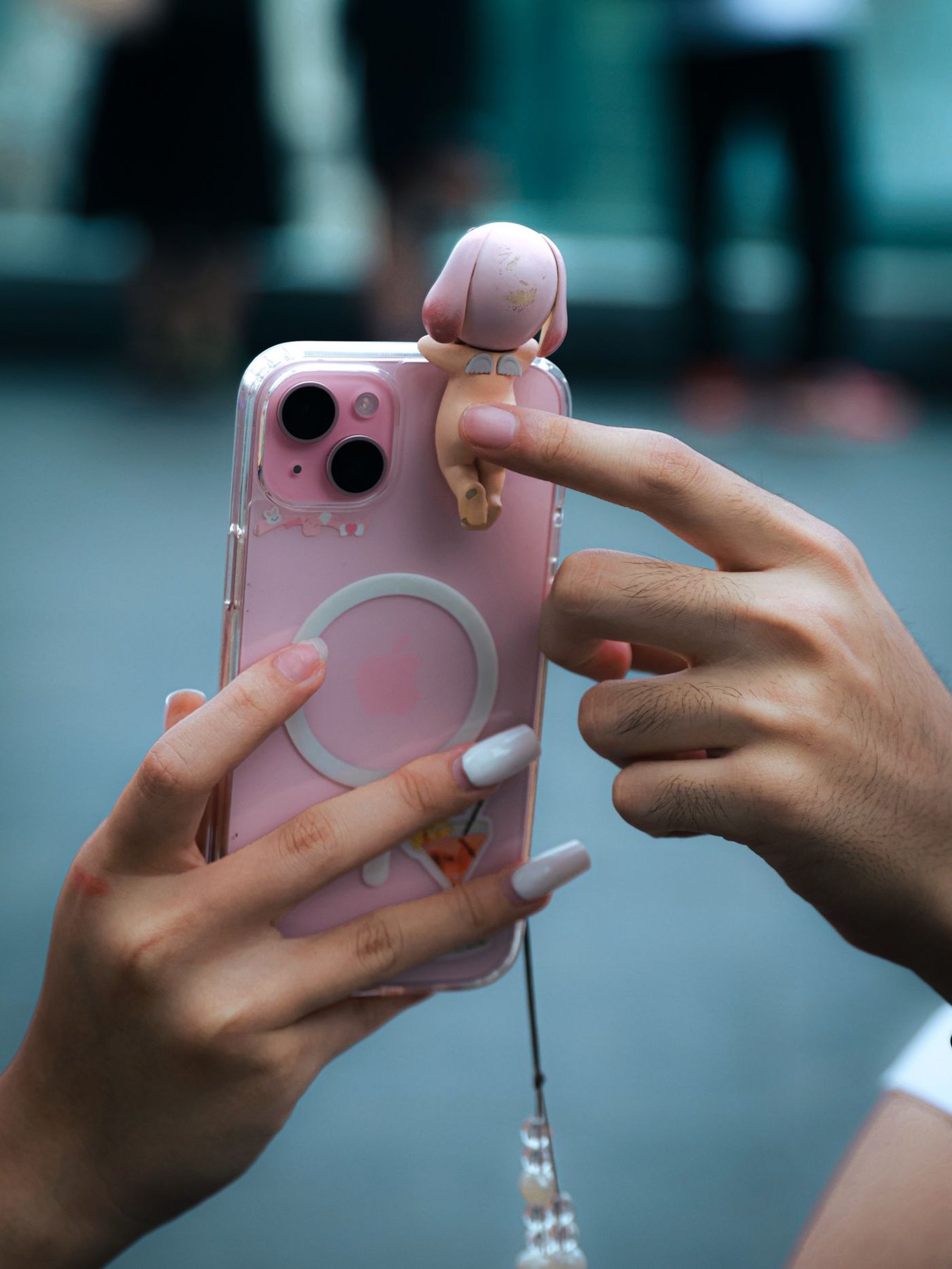
A phone camera kit does not need to include every accessory that can attach to a phone. Start with the kind of image you make most often: a self-recorded explanation, close views of small objects or pictures during a walk. Write down the problem that interrupts that activity.
If the image moves because the phone is unsupported, investigate a suitable support. If recorded speech is hard to hear, examine the recording arrangement and microphone options. If you struggle to carry the device, look at storage and handling. Buying a light, lens and microphone together can hide which change actually helped.
Choose one support role
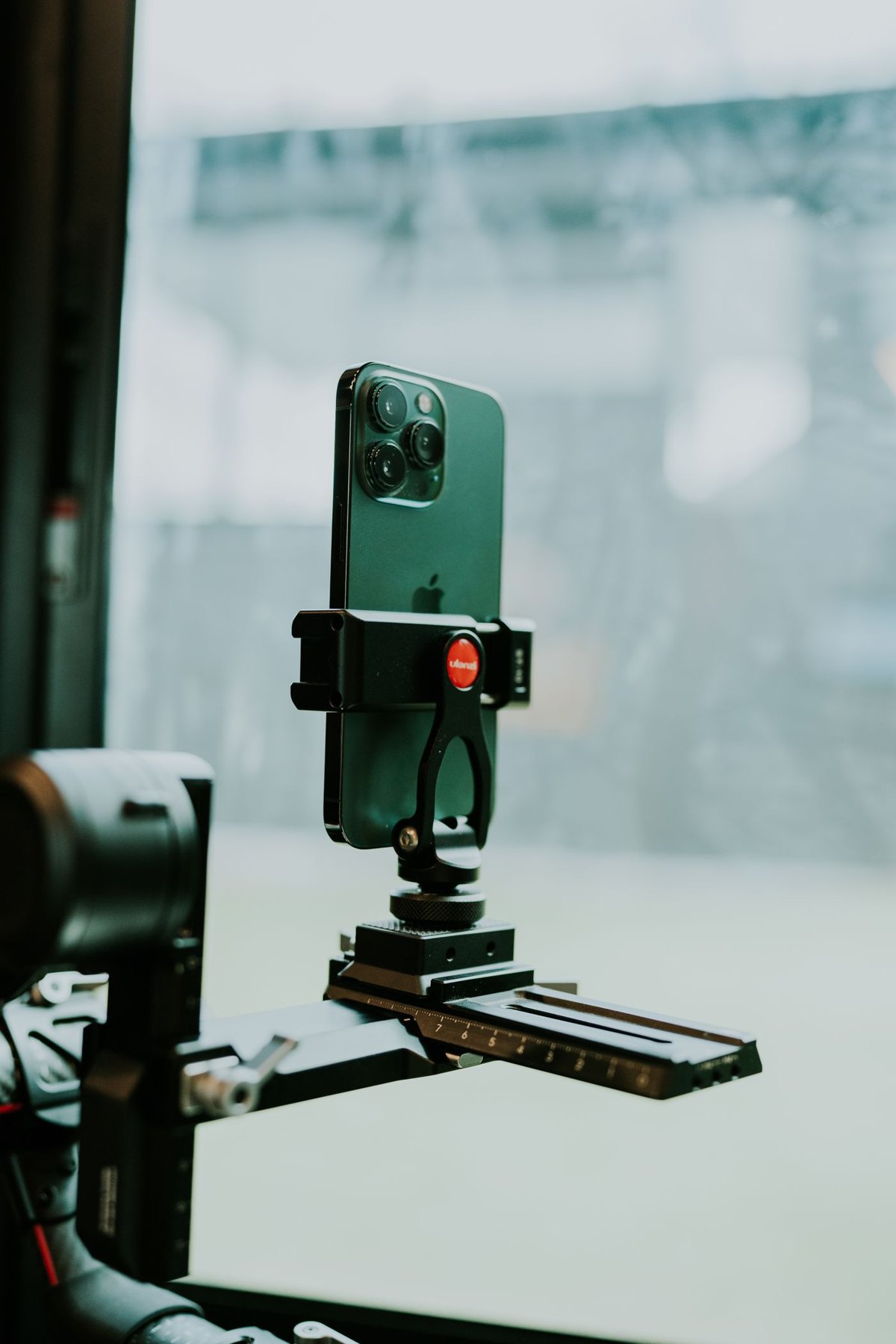
A tabletop stand and a larger tripod have different purposes. Match the working height and footprint to the place you use it, and check the holder with your phone case. The support should leave the intended lens clear and accommodate the orientation required by the final image.
Keep the attachment method simple enough to repeat. If an accessory requires removing the case, decide where the case and loose parts go during the session. Small setup steps become noticeable when you only have a few minutes to record.
Add audio or light only for a named problem
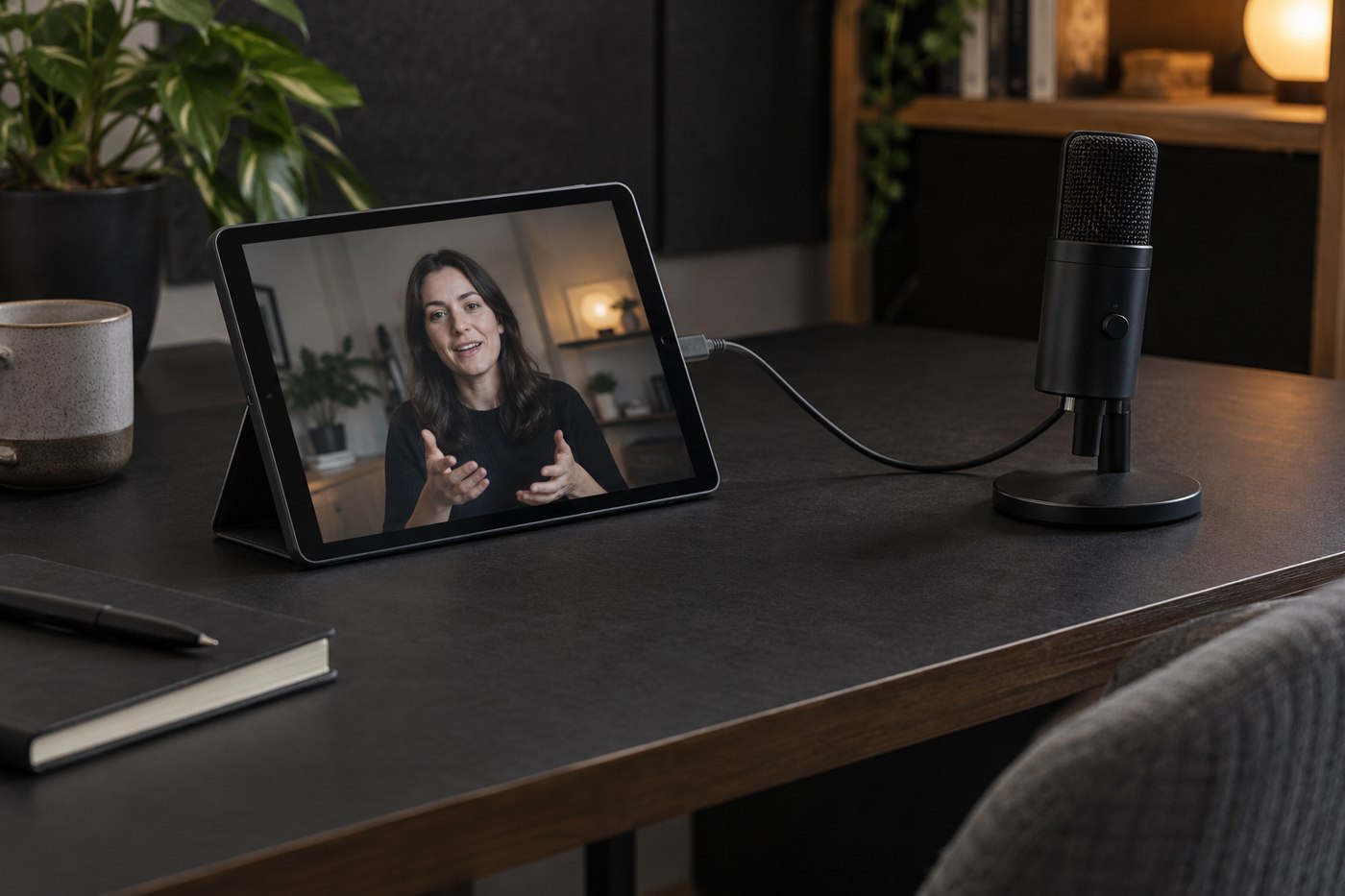
For speech, test a short recording in the intended room before buying equipment. Listen to it using ordinary headphones and identify whether distance, background noise or handling is the main issue. Use the microphone maker's phone and application compatibility information when choosing an external option.
For light, inspect the shadows and reflections on the actual subject. A compact lamp may help one scene but create glare in another. Try repositioning existing light where appropriate before adding a product to the bag.
Pack the working combination
Keep the selected cable, adapter and mount with the accessory they serve. A microphone without its required connection can be useless even though most of the kit is present. Label small parts by purpose if they look alike.
After several sessions, remove items that never address a real problem. Leave room to add a specific tool later when the need is clear. A compact kit should make it easier to start the task, not turn a short phone recording into an equipment assembly exercise.