Bring the difficult page into the decision
A device that feels comfortable with a novel may be frustrating with a two-column report. Before comparing e-readers, choose a few pages that represent your actual reading: ordinary prose, a chart with small labels, a page with footnotes and a scanned page if you use scans. The most demanding page deserves as much attention as the easiest one.
Reflowable books and fixed-page documents ask different things of the display. A supported reflowable ebook can rearrange text when you adjust its reading settings; a PDF often preserves the layout of a printed page. Kobo's PDF instructions describe magnifying and moving around a page. That ability makes a detail accessible, but it does not tell you whether repeated zooming will be comfortable for an hour of study.
Try a complete reading task, rather than opening one page and declaring it readable. Follow a paragraph across a column, check its footnote, return to the original sentence and move to the next page. If that sequence requires constant repositioning, a larger display may help. A tablet or computer may remain the better place for the documents that depend heavily on colour, complex layouts or frequent switching between references.
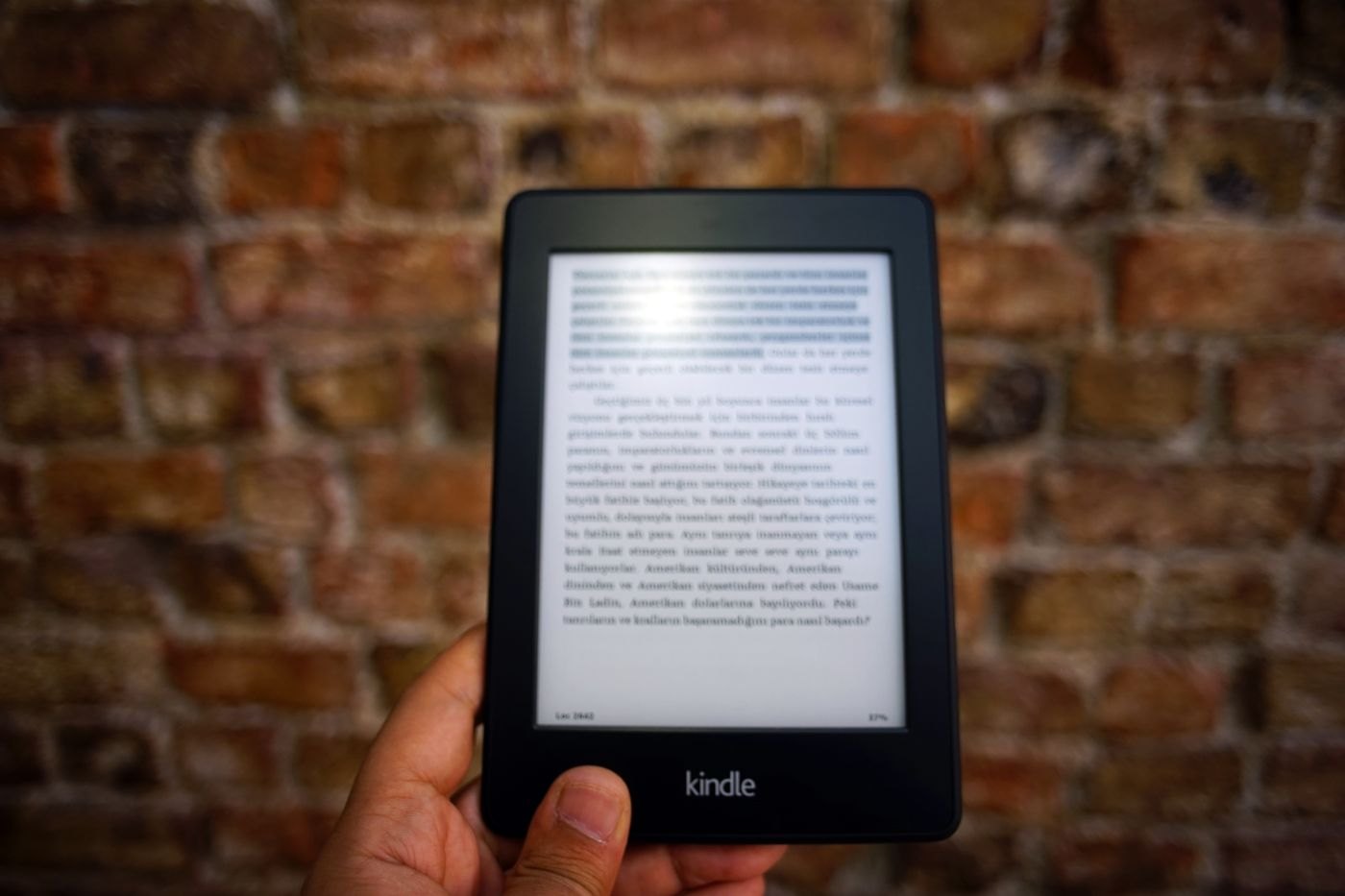
For novels, test the font size and line spacing you would actually use. A small device can still present comfortably sized text, but it will show fewer words at once. Decide whether more frequent page turns bother you. Hold the device with its proposed case, because the combined weight and grip are what you will live with.
Check how your books will arrive
Make a list of your existing book sources: a retailer, a public library, a publisher's download page or your own documents. Check the candidate's current format and transfer instructions for each source. A file extension on a compatibility list is only part of the answer; account requirements and protection applied to a particular book can affect the process. Test a permitted sample through the intended route when possible.
If annotation matters, distinguish highlighting text from handwriting on a page. Look up which document types support the action you want and how notes can be retrieved later. Do not buy a stylus simply because the device has a touch screen. Confirm the exact model, supported pen and whether your intended files permit annotation.
Separate the main job from the occasional exception
Someone reading novels every evening and opening one PDF each month may reasonably choose a compact reader and keep that occasional document on a laptop. Someone reviewing long technical reports every day should weigh document navigation much more heavily. Counting how often you do each task prevents an unusual edge case from consuming the whole budget.
Finish your comparison with two short statements: the content this device must handle comfortably, and the material you are willing to read elsewhere. Those boundaries make the purchase easier to judge. A reader need not replace every screen you own to have a clear and useful role.
Use three sample pages as a buying test
For a novel, choose a page containing dialogue and an ordinary paragraph, then adjust the text without changing your normal reading distance. For a report, choose a page with a table and a footnote. For a scan, choose a page whose print is slightly uneven. These samples reveal different limitations and avoid judging every device from the easiest page in its demonstration library.
Give each task a plain result: comfortable without adjustment, comfortable after an occasional adjustment or repeatedly interrupted by navigation. There is no need to turn the results into a numerical review. Your purpose is to establish whether the interruptions occur in the material you read most, and whether you are willing to accept them.
If you intend to mark documents, include retrieving the note in the test. Write a harmless annotation, close the file, reopen it and check the supported export or review route. A pen moving smoothly across a page is only the first part of a study workflow; finding and using the note later may be the more important part.