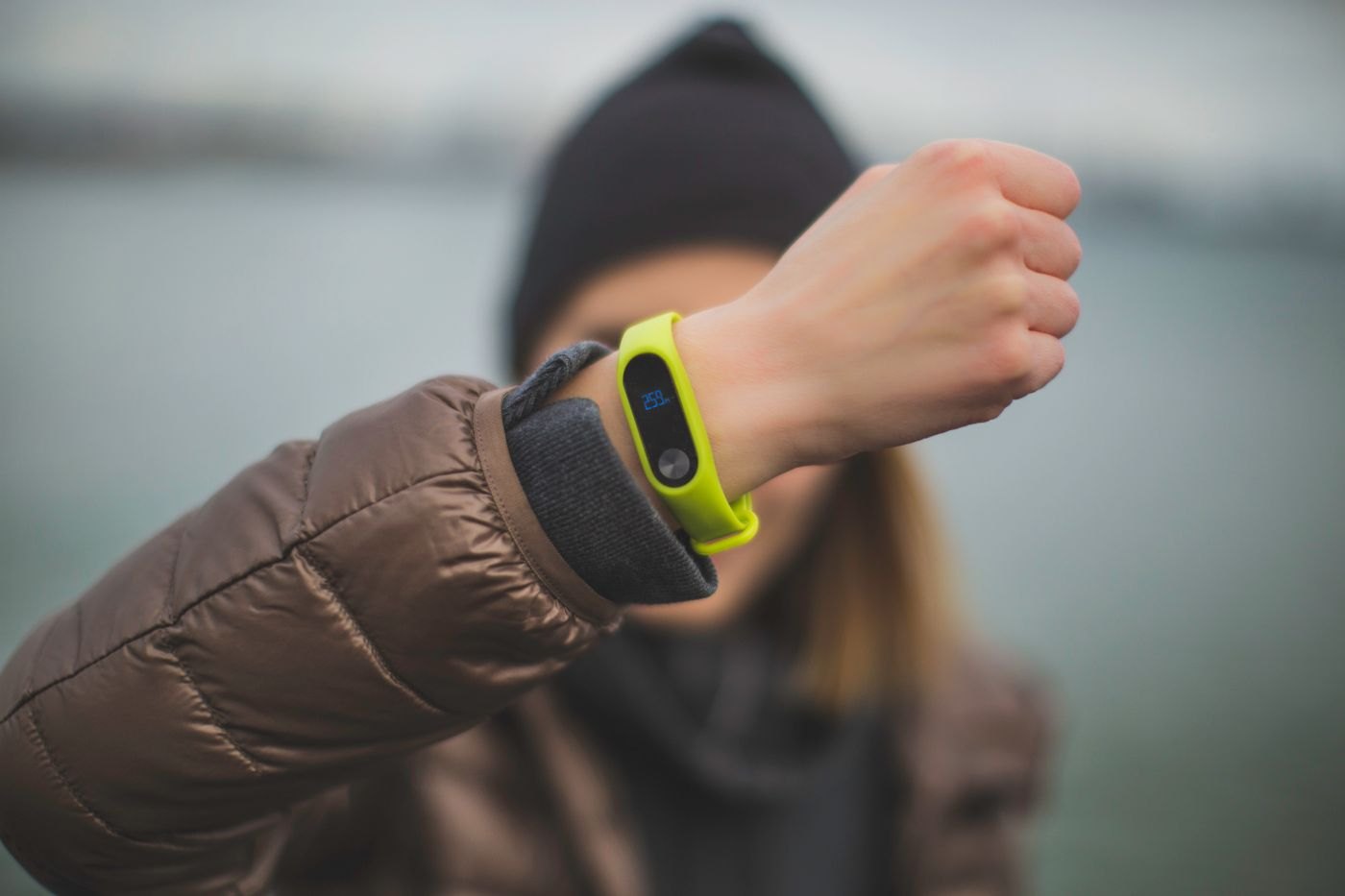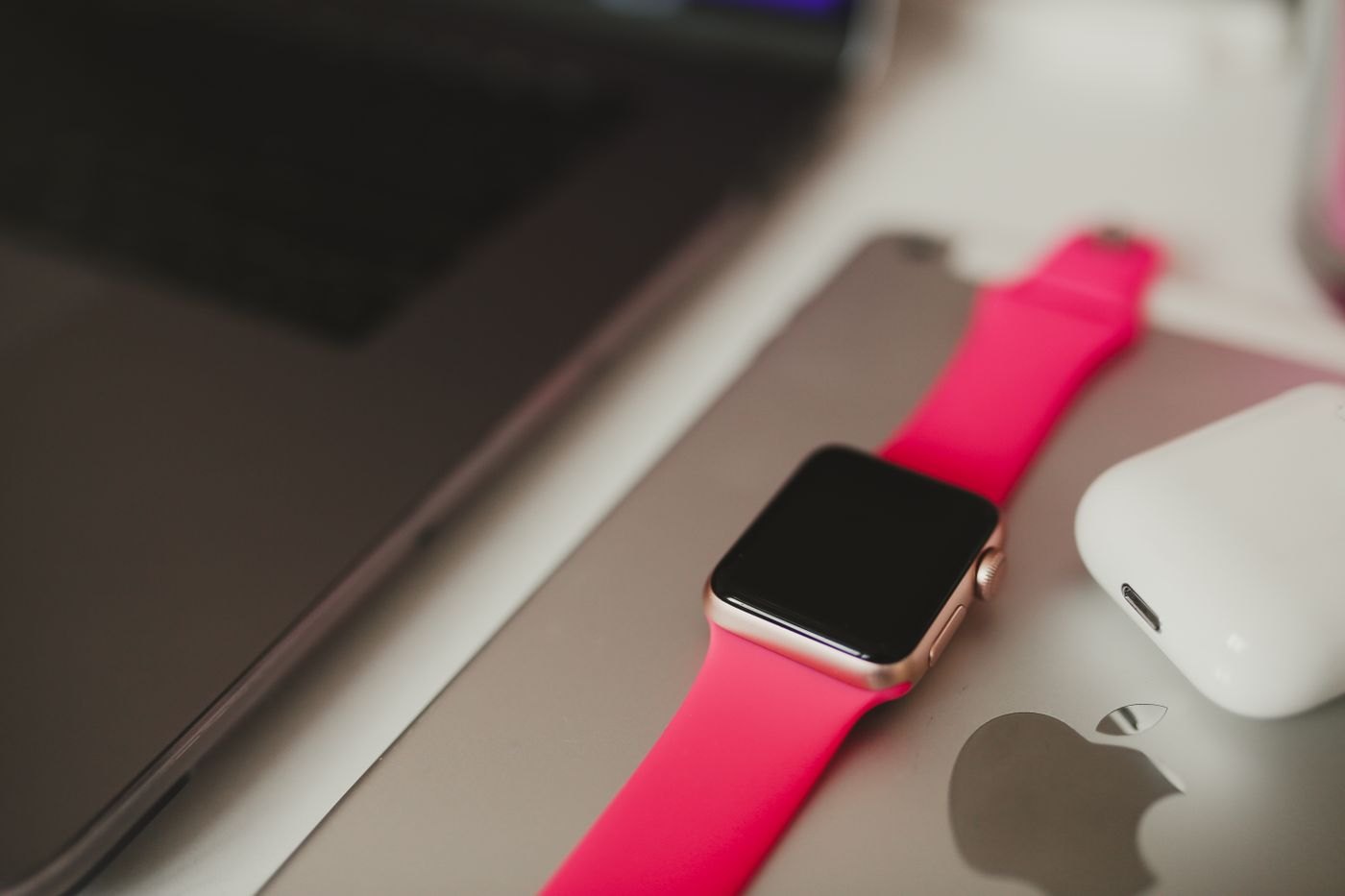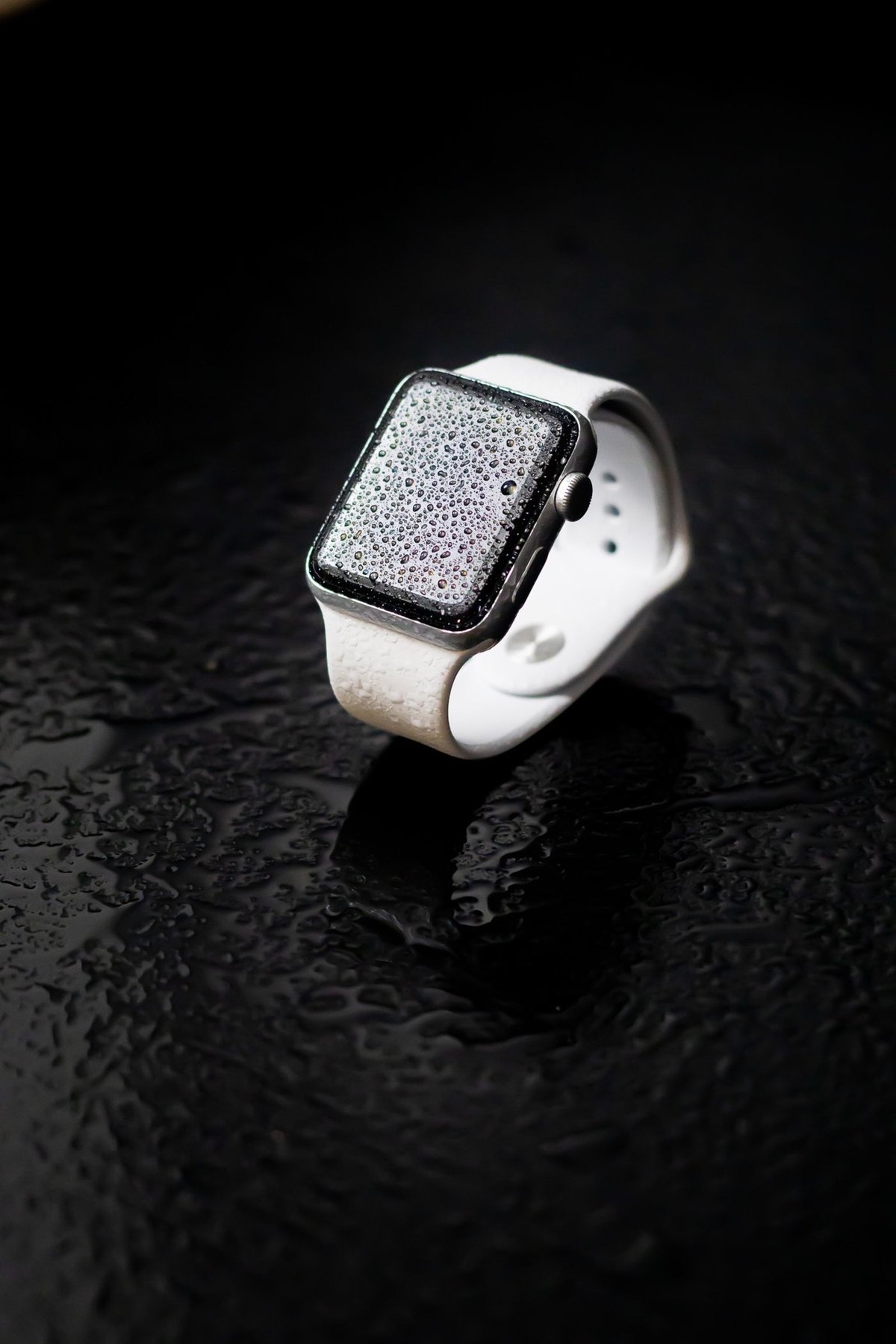
A water-resistance label is a starting point for reading the instructions, not blanket permission for every wet activity. Identify the exact wearable model and find its current manufacturer guidance. Similar-looking devices within one family can have different intended uses, and a band can have different care requirements from the watch body.
Apple's guidance makes water resistance and permitted activities model-specific and explains that resistance is not a permanent, unconditional property. Use the equivalent instructions for your own device. Avoid converting a rating into a personal depth or duration guarantee without the manufacturer's stated context.
Match the activity precisely
Write down what you intend to do: wash dishes, swim in a pool, spend time at a beach or take part in an activity involving fast-moving water. Those conditions are not interchangeable. Look for the activity in the official guidance and pay attention to exclusions, temperature limits and pressure-related warnings.
If the activity is not clearly covered, ask the manufacturer before exposing the device. A third-party accessory described as protective does not automatically change the watch's approved use. Likewise, a screen protector may protect a surface from scratches without improving any water-resistance claim.
Check the band separately. Leather, decorative materials and particular closures may have their own restrictions. A water-resistant watch body does not make every band suitable for immersion or the same cleaning method.
Understand the relevant control
Some wearables provide a water-related screen lock or another named mode. Read what that feature actually does on your model. Do not assume a control with a water icon improves the device's physical sealing. A user-interface lock and the hardware's resistance are different things.
Learn how to return the device to ordinary operation before the activity. Follow the manufacturer's process rather than pressing unfamiliar controls repeatedly while the device is wet. If instructions specify avoiding certain actions during exposure, keep those limits in mind.
Include the condition of the device
A history of impact, repairs or visible damage should prompt extra caution and a support question. Do not test uncertain resistance by deliberately immersing the watch. A used device's original specification does not prove the present condition of its seals or enclosure.
After exposure, follow the exact cleaning and drying instructions, including those for the band. Avoid adding heat, compressed air or cleaning chemicals based on a generic internet tip. Before charging, check the manufacturer's requirements for the device and contacts; do not rush a wet wearable onto a charger because the battery is low.
Make the decision before leaving home
If the planned activity exceeds the stated use or the instructions are unclear, leave the wearable somewhere appropriate and use equipment intended for that activity. This is simpler than trying to determine compatibility at the water's edge.
Save the relevant support page and model details with your purchase information. When the band, device condition or intended activity changes, revisit that guidance. The goal is a clear match between the product's stated use and your plan, rather than treating one rating as a permanent answer to every situation involving water.
Read the claim as a set of conditions
A helpful note has three parts: activities explicitly permitted, conditions explicitly excluded and the required aftercare. Keep the wording tied to the exact model. If you replace the watch with a visually similar generation, check again rather than carrying the previous note forward automatically.
For example, a device approved for one form of swimming may still have restrictions involving pressure, temperature or other activities. The sensible comparison is between the manufacturer's named conditions and the planned use, not between the largest number on two specification sheets. If one essential condition remains unclear, obtain an answer before exposure.
Do the same for accessories. A band chosen for appearance may require removal before the activity even when the body is suitable. Pack an appropriate alternative only after checking its attachment and care instructions. This turns the decision into a complete equipment check rather than a conclusion drawn from the watch body alone.